

DSIP Peptide Research Guide for Laboratory Teams
Maintaining research data quality requires consistent handling rules for sensitive compounds. Reliable laboratory research depends on preserving the physical state and documentation of DSIP during every phase of a study.
Review the DSIP peptide research product and available batch documentation.
The dsip peptide is a specialized nonapeptide that needs careful lab handling to keep its chemical quality for research. Scientists first found this compound in rabbit brain tissue in 1977. It is now studied as a neuromodulator that may change sleep patterns by working with the brain. In lab settings, the dsip peptide is described by its ability to increase delta and sigma waves in animal EEG recordings. This research material usually comes as a dry powder. Researchers must use strict temperature rules and mixing steps to stop it from breaking down. These standard steps ensure that the compound stays stable during long studies or short lab tests. All research projects using this peptide must follow strict record standards to check purity and batch sameness for research purposes only. This material is not for human consumption.
Proper records and handling are the first steps to reliable results with this compound. Before testing begins, researchers should understand the material's core properties, storage needs, and documentation requirements.
DSIP peptide fundamentals for laboratory research
In summary: DSIP is a nine-amino-acid research peptide supplied in lyophilized form. Laboratories should establish its identity, batch purity, storage history, and research-only status before including it in a protocol.
The DSIP 5mg research product is a specific compound used in lab settings to study sleep cycles. Researchers use this nonapeptide to observe how certain waves change in test models. All products from Trusted Peptides are for research, lab, or test purposes only. They are not for human use.
Chemical identity and creation
DSIP stands for Delta Sleep-Inducing Peptide. It was first found in the brain tissue of rabbits in 1977. Scientists now use a standard way to create this protected nonapeptide for study. This compound consists of nine amino acids in a specific chain. Its structure allows it to pass through barriers in some test models. When how to interpret peptide testing documentation is done, HPLC is the standard tool. High-quality samples should have a clear testing report to show they are pure. This ensures that the data from each batch stays the same during long studies. Precise purity is vital for labs that need to repeat their tests with the same results every time.
Neuromodulation in research models
In a lab, DSIP acts as a neuromodulator. It may work with the brainstem and other areas to affect sleep patterns. Studies show that synthetic dsip peptide can boost certain waves in EEG tests. This effect is often seen in rabbit models during sleep research. Other tests show it can help manage the stress response in the body. For example, it can lower corticosterone release caused by stress factors in test subjects. Researchers often look at how it interacts with the hypothalamus to promote natural sleep shapes. These results help experts understand how the peptide works in a controlled setting without signs of change over time.
Lab handling and state
Being stable is a key factor for any research compound. Most labs receive this peptide as a lyophilized powder. This dry form helps keep the compound stable for a longer time during shipping and storage. Once it is in plasma, it has a very short life. Research shows the half-life of dsip peptide is about 7 to 8 minutes. Because of this, proper storage and handling are needed to get good results. Researchers must follow strict steps to keep the samples from breaking down. This includes keeping the powder in a cool, dry place until it is used. They also need to know the right way to mix it before a test. Good data depends on how well the lab maintains the sample quality.
What documentation should accompany a DSIP peptide order?
In summary: A complete DSIP peptide order record should connect the vial to its lot-specific COA, HPLC purity result, identity test, test date, storage instructions, and chain-of-custody log.
Buying a dsip peptide for your lab work needs more than just a bill. You must get clear proof of quality and purity. These records help ensure your test results are right and can be done again. For a compound like the dsip peptide, which was first found in 1977, clear data is key for modern study.
Checking the Certificate of Analysis
A Certificate of Analysis (COA) is a vital paper that comes with your order. It gives you a full look at the batch you bought. Each COA should list the batch number and the date of the test. This helps you track the path of the compound from the lab to your door.
You should look for the name of the lab that did the test. It is best to use a third-party lab to check the results. This way, you know the data is true and not biased. Research on the nonapeptide structure of DSIP shows how precise the build of the compound must be. A good COA proves the batch matches this known structure.
Understanding HPLC Purity Reports
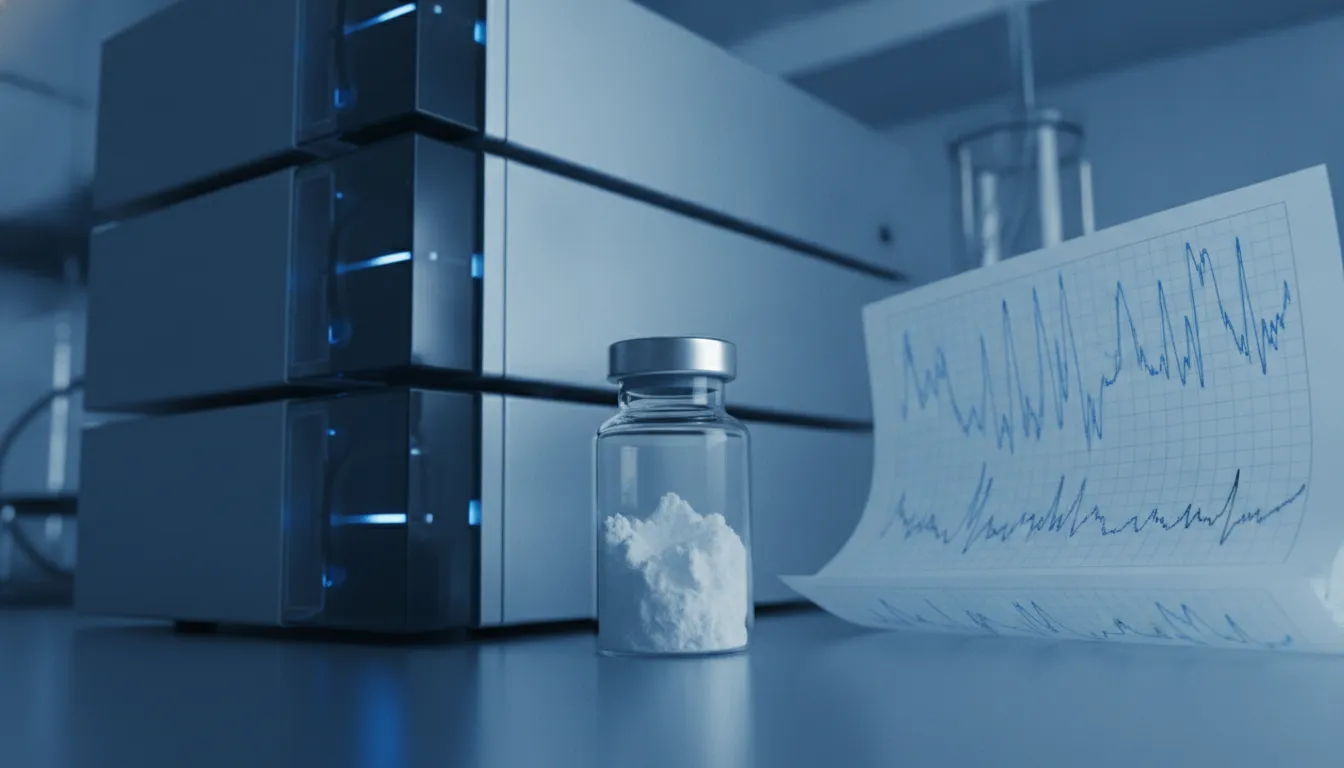
High-Performance Liquid Chromatography (HPLC) is a standard tool used to find the purity of a sample. This report shows a graph with peaks. The main peak tells you how much of the target compound is in the vial. For most lab tasks, you want a purity level of 98% or more.
Using clear a practical certificate of analysis guide helps you spot any extra stuff in the vial. These minor items can change how the compound works in your tests. High purity means you have a clean sample for your work. This is vital because the half-life of DSIP is quite short in some tests.
| Paper Type | Main Use | Key Data Point |
|---|---|---|
| COA | Confirms batch facts | Test date and lot ID |
| HPLC Report | Shows chemical purity | Purity level |
| MSDS | Guides safe handling | Storage and risk info |
| Lot ID Tag | Helps batch tracking | Unique supply code |
Essential Lot and Quantity Data
Every vial of dsip peptide must have a lot ID. This code links the vial back to its test results and birth in the lab. If you find a problem with your batch, the lot ID lets the seller find the root cause. It also lets other labs know if they have the same batch.
The records should also list the mass of the freeze-dried powder. Most vials come as a dry cake. You need to know the exact weight to make the right mix for your research. Keep these papers in a safe place. They are a core part of your lab notes. Proper logs show that you followed high standards in your supply search.
How to review DSIP peptide COA and HPLC records
In summary: Match the lot number first, then verify the reported identity, purity, chromatogram, test date, and third-party laboratory information before releasing the material for research.
Clean data is vital for stable results in lab research. When you buy a dsip peptide for your study, you must check the quality of the lot. A COA report gives the data you need to check that the batch meets your goals. You should always check these files before you start any lab work. This keeps your data clear and your tests true. Without these steps, you risk waste in your lab resources.
Check for purity and identity
A standard COA shows two main things: what the compound is and how pure it is. HPLC tests show the purity of the sample. It separates the dsip peptide from any extra bits. Experts have studied this nonapeptide to check its form and purity. A good report will show a purity level of 98% or more. This high level of purity is needed to avoid errors in your research data.
MS is also used to check the identity of the lot. While HPLC tells you how much is there, MS proves it is the right molecule. Look for a clear peak that matches the weight of the peptide. Without both tests, you cannot be sure of the material you use in your lab. This doubt can ruin your study results and lead to false data. Researchers must trust their tools to build strong cases for their work.
Step-by-step review for data trust
Follow these steps to review the records for your dsip peptide. This process helps you find any issues with the batch before you open the vial.
- Match the batch number. Ensure the number on the vial matches the one on the COA. This link is the only way to prove the test results belong to that one product.
- Check the purity score. Look for the purity field on the report. For research compounds, this should be a high number, often above 99%.
- Scan the HPLC graph. Check the graph for a single, tall peak. This main peak shows the target compound. Other small peaks show parts that might affect your study.
- Confirm the outside lab. A trusted source will use an outside lab. Look for the name of an outside lab on the document to ensure the data is fair.
- Check the test date. Peptides can break down over time. Ensure the test was done lately to show the data is still good.
Maintain research standards
Using dsip peptide in a lab needs strict rules for dsip peptide testing and purity records. Solid quality leads to better results. If a report looks bad or lacks facts, you should ask the seller. Trusted records are the core of good science. These products are for research, lab, or analytical purposes only. They are not for human consumption and should not be used in a clinical way.
Always keep a copy of every COA for your files. This helps when you need to write your results or check your work. Good files make your research more trusted and easier to repeat. By using these steps, you keep the high standards needed for biotech and school studies. Quality control is not just a rule, but a path to truth in science. It ensures that every vial you use helps move your study forward.
Receiving, storage, and handling considerations
In summary: Inspect seals and lot identifiers at receipt, document the condition of each vial, follow supplier storage instructions, and minimize temperature cycling and environmental exposure.
Safe handling of a research peptide collection starts when the package arrives. Researchers should check every box for damage and match the items to the list. This step ensures the compound is stable and ready for lab work. All products from Trusted Peptides are for research, laboratory, or analytical use only, and are not for human consumption per standard safety rules.
Initial inspection and records
When you get the shipment, check that all seals are tight. Match the batch numbers on the vials with the the laboratory COA review process found in the COA. This builds a clear chain of custody for your study. It also helps confirm that purity levels meet your needs before you start any work.
Keep a log of the date you got the shipment and the state of the vials. Note any issues right away to keep your research data solid. This record is a key part of good lab work. It ensures that every vial of dsip peptide used in your trials is fully tracked and checked.
Storage and stability needs
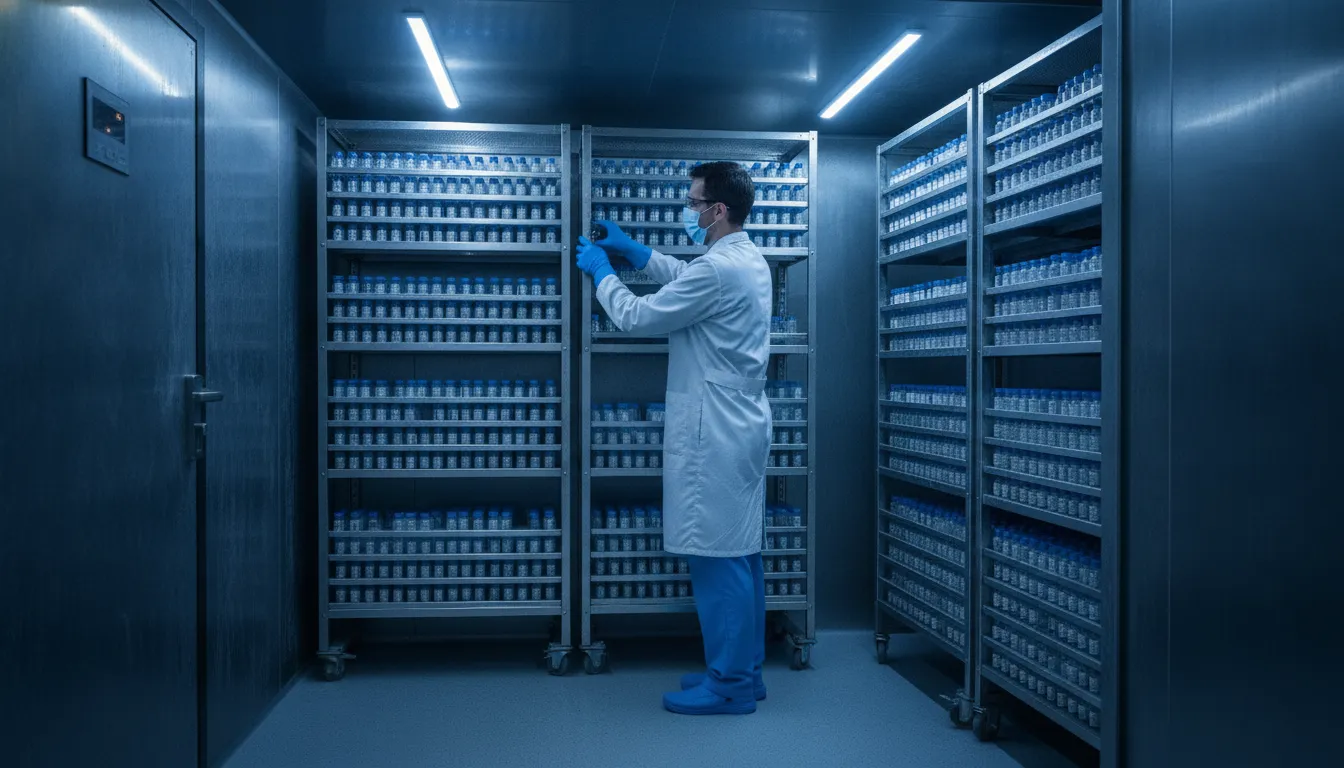
The dsip peptide is often sent as a lyophilized powder to keep it stable during shipping. To keep the product in top shape, you must store it in a cool, dark place. Most labs use a freezer set to -20 degrees Celsius for long-term storage. This cold spot helps stop the peptide from breaking down over time.
Avoid freezing and thawing the vials often, as this can hurt the quality of the nonapeptide. Many labs choose to split the powder into small portions for single-use sessions. This helps keep the main stock safe from wet air and heat. Based on data from the National Institutes of Health, the chemical form of DSIP needs careful care to stay active for research.
Safe handling in the lab
Researchers should always follow the supplier's notes when handling research-grade items. Use clean tools and work in a sterile space to avoid dirt. This is vital for keeping the high purity levels shown in the HPLC tests. Always use gloves and eye protection when you work with any lab tools.
If you need to move the powder to other vials, do so in a way that limits air exposure. This helps keep the dry state stable until it is needed for your study. Good handling ensures that your results are solid and can be repeated by other teams. Following these steps helps protect both the researcher and the study results.
How should laboratories evaluate a DSIP peptide supplier?
In summary: Evaluate suppliers by the traceability and independence of their testing, the consistency of successive lots, the clarity of research-use-only labeling, and the responsiveness of laboratory support.
Selecting a reliable source for a dsip peptide is a key step for any research lab. High-quality data depends on the purity and steady state of the research compounds used in studies. When you evaluate a vendor, you should focus on their test methods and their ability to give stable results over time. This section outlines the main factors that labs must consider when choosing a research partner for their supply needs.
Third-party testing and purity documentation
The most important factor in choosing a vendor for a dsip peptide is third-party testing. Researchers need proof that the compound they get matches the chemical structure and purity level needed for their study. High-performance liquid chromatography, or HPLC, is the gold standard for testing the purity of a synthetic nonapeptide like DSIP. You should always look for suppliers that give a clear certificate of analysis, or COA, for every batch of product they sell.
A COA gives you the data needed to verify that the dsip peptide is free from common toxins. This level of openness helps ensure that study results are not skewed by impurities in the research material. For more information on how to read these documents, you can review our guide on batch-specific purity records. Good suppliers will make this data easy to find and check before you buy.
Scientific truth requires that every compound used in a lab is well-known. For instance, original research on DSIP shows that the peptide must be made correctly to maintain its effects in animal models. Without third-party checks, a lab risks using materials that do not meet these strict rules. Always ask your supplier if they use outside labs to test their products for purity and identity.
Batch sameness for repeatable research
Results you can repeat are the base of any scientific study. When a lab needs to buy more of a dsip peptide for a long-term project, the new batch must be just like the first one. Changes in the making process can lead to different results, which can ruin a study or waste valuable time. A good supplier will have strict quality checks to keep their products the same across every batch they make.
You can check a supplier's sameness by comparing COAs from different orders. Look for small changes in purity levels or peptide content that might show a lack of control in the making process. Working with a vendor that is an expert in sourcing high-quality dsip peptide can reduce the risk of batch-to-batch changes. This focus on quality helps you keep a stable research setting and yields data that other labs can trust and copy.
Proper storage and handling also play a role in batch stability. Most research peptides are sent as a lyophilized powder to keep them steady during shipping and storage. A reliable vendor will give clear steps on how to store and handle the dsip peptide once it arrives at your lab. This help ensures that the material stays in its best state for your specific research needs.
Transparent procurement and laboratory support
The final step in checking a supplier is looking at their buying process and support team. A professional vendor should be easy to reach and ready to answer technical questions about their products. They should understand the needs of lab researchers and provide a smooth way of getting the compounds they need. Clear talk about shipping times and product stock is also a sign of a trustworthy partner.
Labs should look for suppliers that offer fast shipping to avoid delays in their research plans. Trusted vendors often provide fast shipping options within the United States and Canada to ensure that materials arrive when they are needed. They also keep a strong supply chain to prevent running out of common research compounds. This trust allows researchers to plan their work with confidence and stay on track with their study goals.
Finally, ensure that the vendor follows all legal rules for research compounds. Every product should be clearly marked as being for research, lab, or analytical purposes only. They must state that the materials are not for human use. By choosing a supplier that values safety and rules, your lab can focus on its main mission of discovery and scientific growth.
Research-use-only compliance and protocol boundaries
In summary: DSIP peptide materials belong only in authorized laboratory, research, or analytical workflows. They are not for human consumption and are not intended to diagnose, treat, cure, or prevent disease.
Proper lab use of the DSIP 10mg research product needs a clear focus on research rules. All items are for research, lab, or test purposes only. This means the peptide is for use in a fixed lab by trained staff. It is not for human use, clinical trials, or personal care.
These rules help keep lab work safe and follow legal codes for study tools. This product is for research, laboratory, or analytical purposes only and is not for human consumption.
Defining protocol and lab scope
Local rules often set the path for how a lab uses a tool. Staff must follow strict plans for every study to ensure results are clear and can be seen again. Before you buy man-made peptides, check your local laws first.
Most research centers have a board that must approve all work with man-made chains. This step ensures that the study meets safety codes for animal models.
Studies on dsip peptide often focus on its role as a small chain of nine amino acids. Early work showed its effects on brain waves in rabbits without causing major health changes over six days (pubmed.ncbi.nlm.nih.gov).
Following these set steps is key for new labs. It helps keep the data clean and avoids issues with groups that watch over lab supplies. These plans ensure that researchers maintain high standards in their lab spaces.
Labeling and storage rules
Every vial of dsip peptide must have a clear label. The label must state it is for research use only. This tag is a vital tool to prevent any mix-up about why the item is in the lab.
It must also say the product is not for human use. Sticking to these rules is a core part of lab safety. It ensures that everyone in the lab knows the risks and the proper way to handle the stuff.
Proper storage is also part of staying in line with rules. The dsip peptide is often sold as a powder that has been dried. This state keeps it stable for a long time if it is kept cold.
Lab staff must record the batch number and the date the vial was opened. Using peptide COA and HPLC documentation helps prove that the product meets the needs of the study. These records are needed for maintaining a high-quality research space.
Preventing misuse in research settings
The ban on human use is the most important rule for these items. No one should ever use dsip peptide for personal health or as a drug. It is not a pill or supplement.
It has not been cleared for use in people by any health group. Using it outside of a lab is dangerous and goes against the terms of sale. High-purity peptides are meant for data, not for therapy or self-care.
Staff must also be careful with how they talk about their work. Do not frame the study in a way that suggests a use for people. Keep all notes and reports focused on the science of the item itself.
For example, studies have shown it can reduce certain stress markers in test models. Sticking to fact-based claims from peer-reviewed sources keeps the focus on real science. This way protects the quality of the research work and the safety of all staff.
Frequently Asked Questions
In summary: These answers clarify the research-only status, documented plasma half-life, discovery history, and evidence boundaries most relevant to laboratory planning.
Is DSIP FDA-approved for human use?
DSIP is not approved by the FDA for human use. It is a research tool meant only for lab use and study. Based on data from Trusted Peptides, these products are not for people to eat or use for health. Lab teams should make sure their rules show it is not for clinic use. It is vital to follow strict safety rules when you handle this peptide in your lab.
What is the half-life of DSIP in human plasma?
Data shows that DSIP has a very short half-life. Based on research records, the half-life of this peptide in human plasma is between 7 and 8 minutes. This quick breakdown is a key fact for those who plan studies or track how it moves. Lab teams must think about this fast rate to get good results during their work. This fact helps in planning the right timing for each test.
What is the history of Delta Sleep-Inducing Peptide discovery?
The Delta Sleep-Inducing Peptide was first found in the late 1970s. Scientists first took the nonapeptide from a rabbit brain in 1977. This find allowed for the study of the compound in lab settings. Based on past records, this work led to modern studies on how the peptide affects sleep and other body parts in test models. It remains a key focus for sleep research today.
Do researchers know the side effects of DSIP in research models?
Studies on DSIP have looked at its effects over short times. Research on rabbit models found on PubMed showed no clear signs of the body adapting after six days of use in a vein. This suggests the compound keeps its effects without the body building a quick habit in that time. Lab teams should always record all they see to keep their data right and safe during all their tests.
Ready to get pricing for your DSIP peptide research?
In summary: A documented supply plan helps laboratory teams maintain batch traceability, review testing records, and reduce avoidable procurement delays.
Research projects often hit walls when data is not clear and firm. If you wait to set up your supply chain, you risk losing time and money on failed tests. Gaps in your batch records can make it hard to show that your work is valid. You need steady access to high-grade compounds to keep your lab on track. When you act now, you can lock in your source and avoid the stress of last-minute searches. This simple step keeps your study moving forward without a hitch. Every day you delay is a day that your research stands still. Make sure your next batch of DSIP meets the high standards your work needs. A clear plan for handling and batch logs is the best way to guard your results.
Request a Trusted Peptides account to view DSIP peptide research pricing.
