

GHK Cu Peptide: Research Guide and Quality Checks
The ghk cu peptide gives laboratory teams a compact but demanding procurement challenge: identity, copper complexation, purity, and handling all influence whether results remain reproducible. This guide explains how researchers can compare formats, review batch-level evidence, and document storage without crossing into human-use guidance. Every compound discussed here is for research, laboratory, or analytical purposes only and is not for human consumption.
View GHK-Cu 50mg for laboratory research
The ghk cu peptide is a natural tripeptide complex made of glycine, histidine, and lysine that binds to copper ions. This research compound serves as a strong signaling molecule that controls biological tasks like collagen growth and wound healing. Scientists study its role as an antioxidant and its ability to manage inflammation in laboratory models. Research shows that this complex can bind to proteins like peroxiredoxin 6 to help reduce tissue damage (Academic Source). High-quality versions are typically sold as white lyophilized powder to keep the product stable during storage. Using strict purity standards allows researchers to get accurate data on how the peptide affects cellular repair. These properties make it a key tool for studies on biological aging and protein synthesis.
What Is GHK-Cu Peptide?
The GHK-Cu peptide is a small copper-binding molecule found in nature in the human body. It is made of three amino acids: glycine, histidine, and lysine. Scientists often call this group a tripeptide. This molecule shows a strong bond with copper ions. This bond lets it form a complex known as GHK-Cu. In lab settings, this compound is studied for its role in cell repair and its antioxidant effects. Researchers find it in human blood and urine. There, it helps with many natural steps in the body.
Chemical structure and traits
The chemical formula for the ghk cu peptide is C14H24N6O4. It has a molecular weight of about 340.4 g/mol. In a lab, this compound usually comes as a white lyophilized powder. This dry form helps keep the peptide stable while it is stored in a freezer. The sequence of the peptide is Gly-His-Lys-Cu(II). Each part of this sequence must stay the same for the compound to work in a study. Lab teams must check these facts to ensure they have the right sample for their tests. Using standard GHK-Cu reconstitution practices helps keep the sample pure during prep. Proper handling is needed to avoid any change in the chemical state of the peptide.
GHK and the copper complex
It is vital to know the difference between GHK and its copper form. GHK is the peptide alone without the copper ion. While GHK has its own traits, most research looks at the copper complex. The bond between the peptide and copper lets the molecule enter cells more easily. This copper-binding trait is why it is used in studies about lung health and tissue growth. Research shows that GHK-Cu can bind to PRDX6. This is a protein linked to lung inflammation. Without the copper, the molecule may not act the same way in these tests. The presence of copper changes how the peptide works with other proteins in a cell.
Naming in laboratory procurement
When you look for research compounds, the naming must be clear. Scientists use terms like "copper-binding tripeptide" to be exact. Using the right names helps avoid errors in the lab. It is also key to interpret your GHK-Cu COA documentation before starting a project. A Certificate of Analysis shows the purity and the mass of the batch. Precise terms help labs get high-quality items for their work. This ensures that every study starts with a known, pure compound. All products are for research, lab, or analytical purposes only. They are not for human use. They are not meant to find, treat, or cure any disease. Labs must handle these compounds with care and follow all safety rules to get good data.
Properties researchers evaluate in GHK-Cu
The ghk cu peptide is a complex molecule that researchers study for its unique chemical traits. In a lab setting, teams look at how this tripeptide binds with metal ions like copper. This process is key for many tests and models. Scientists often start by checking the chemical data of the compound to ensure it fits their needs. Before you begin any study, you should interpret your GHK-Cu COA reports to check the batch quality.
Chemical makeup and molecular weight
The chemical formula for this compound is C14H24N6O4. It has a molecular weight of 340.4 g/mol. Researchers value these precise specs when they set up their tools. The sequence is Gly-His-Lys-Cu(II). This setup shows how the copper ion sits within the peptide chain. Knowing these details helps labs plan for molar mass needs and test rates. It also ensures the compound is right for the specific models they use.
Researchers also look at the bond strength between the peptide and the copper. This bond is vital for the stability of the complex in various lab tests. If the bond breaks, the free copper may change the outcome of the study. Labs use mass spec tests to confirm that the chain is correct and the copper is bound properly. This check is a common step in bench research.
Physical form and research stability
Most labs get this compound as a white lyophilized powder. This dry form helps the peptide stay stable for a long time. It is a standard for research-grade supply. A tripeptide naturally occurring in human blood has shown antioxidant effects in some studies. Lab teams test how well the powder dissolves in different liquids. They also track how light or heat might change the molecule over time. This data is vital for keeping the study results the same across many trials.
Storing the powder correctly is also a key task for lab staff. They often keep it in a cool, dark place to prevent it from breaking down. Some studies look at how the peptide holds up in different pH levels. This helps researchers know which buffers to use during their work. Knowing the shelf life of the compound allows teams to order the right amount for their long-term plans.
Purity standards and lab testing
High purity is the most important trait for any research compound. Teams look for third-party HPLC testing to confirm what is in the vial. This test shows the exact purity level of the batch. You can also look at standard GHK-Cu reconstitution practices to see how to prepare the compound once you verify its purity. Labs use COA data to check for any leftover salts or items from the build process. A clean batch helps ensure that the test results come from the peptide alone and not from other parts.
Quality tests often involve more than just one step. Teams may use several tools to map the molecular structure. They want to see that the peptide is 98% pure for most bench work. This high bar helps them avoid bias in their data. When they trust the supply, they can focus on the science and the data they collect.
Which GHK-Cu research format fits the protocol?
Lyophilized powder for stability
Most labs use a white lyophilized powder as the main format for GHK-Cu peptide studies. This dry state keeps the tripeptide stable. It helps the compound last during shipping and long storage. Liquid forms break down much faster. Lab staff must follow standard GHK-Cu reconstitution rules to prepare the compound for a test. This step lets the team set the exact strength they need for their work.
Using powder gives a lab full control over the final liquid. It is the best choice for tests that need very precise or custom doses. Because it is stable, a lab can buy a big batch and use it for many months. This keeps the supply steady and helps make the results the same every time. Each 50mg unit provides a clear starting point for any lab task. This format fits the traits of the peptide, which has a molecular weight of 340.4 g/mol.
Intranasal and topical research formats
Some studies look at other ways to use the peptide, like nasal sprays or ready-to-use liquid forms. Research on brain health in mice often uses an intranasal GHK peptide format to see how it affects memory. These tests check how the peptide moves through the body to reach the brain. Using a spray can make it easy to give the same amount to every subject. It cuts out extra mixing steps in the lab and saves time for the staff.
Studies found in academic research sites show that the GHK-Cu tripeptide complex can bind to certain proteins. This work helps teams learn how the peptide might help with lung health or other issues. For example, tests using the 5xFAD mouse model often use these formats to study Alzheimer's disease. Ready-made forms are often used in these animal models to keep the work simple and fast. While powder is the standard, these other forms are now used in many R&D tasks.
| Criteria | Lyophilized Powder | Prepared Formulations |
|---|---|---|
| Shelf Life | Long (stable for months) | Short (once opened) |
| Prep Time | Needs manual mixing | Ready for use |
| Dose Control | Full custom control | Fixed per dose |
| Documentation | Batch HPLC and COA | Format-specific COA |
| Best Use Case | Custom lab protocols | Standard animal models |
Choosing a format for consistency
Picking a format is a key part of any lab plan. Lyophilized powder is the top choice for long life and custom work. Ready-made forms are good for quick tests or studies that need a set delivery method. Both forms must meet high standards for purity and grade. Every batch should have third-party HPLC testing to prove it is pure. This keeps the data clean and the study results solid for the team. It is the only way to be sure the peptide fits the Gly-His-Lys-Cu(II) sequence.
Scientists should check for a COA from a lab like MZ Biolabs to read your GHK-Cu COA paperwork and ensure batch quality. Having this proof is vital for peer-reviewed work and R&D projects. It shows the lab is using a high-grade compound and following the right rules. This focus on quality helps teams produce results that others can trust and repeat. Teams can also get help with research supply questions by contacting expert support staff.
How to review a GHK-Cu peptide COA
A Certificate of Analysis (COA) is the most vital document for any lab study using a ghk cu peptide. It shows that the GHK-Cu tripeptide complex meets your set standards for purity and mass. Check this sheet first. You must do this before you start any work with the compound.
Buying high-quality research tools means you need to look at the data, not just the label. A good COA gives you proof that the batch you have is what the supplier says it is. It helps. It ensures that your research data stays clean and clear from start to finish.
Match codes and test dates
The first step is to match the batch code on your vial to the one on the report. This ensures the data you see belongs to the exact unit you bought. Check the date. You should see how fresh the data is for your study.
Good suppliers use third-party labs to run these tests. This adds a layer of trust because the lab has no stake in the sale. You can interpret your GHK-Cu COA documentation by looking for the logo of the testing firm at the top of the page.
Check the HPLC and mass data
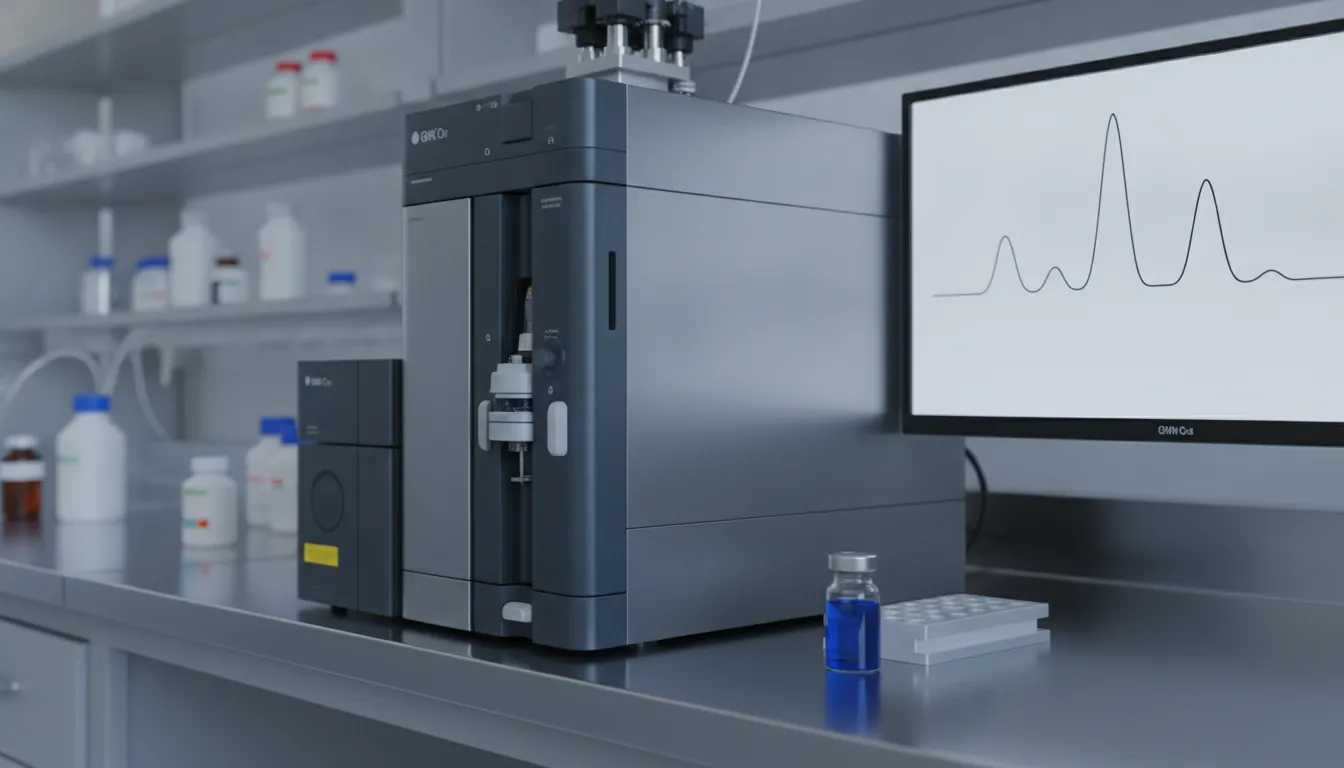
High-Performance Liquid Chromatography (HPLC) shows the purity of the ghk cu peptide. You want to see a single, sharp peak on the graph with very little noise around it. It is key. Most research goals need a purity level of 98% or higher to get good results in a lab setting.
Mass Spectrometry (MS) confirms the identity of the compound. It measures the weight to ensure it matches the target weight of 340.4 g/mol. This test proves that the standard GHK-Cu reconstitution practices you use will involve the right molecule.
- Compare the lot code on the COA to the code printed on your vial label.
- Look for the purity level in the HPLC part and ensure it is above 98%.
- Check that the mass on the MS report matches the known weight of the compound.
- Check that the form is listed as a white lyophilized powder.
- Ensure the report comes from a known third-party lab to confirm the data is fair.
- Confirm the test date is recent to ensure the compound has not lost its quality over time.
Good lab work starts with the right supply chain. When you take the time to read these reports, you protect your study from bad data. It saves time. Always keep a copy of the COA in your lab records for every batch you use in your research.
Storage and handling for reproducible research
Precise laboratory results depend on the stability of your ghk cu peptide compounds. Researchers must follow strict storage rules to keep these tripeptides from breaking down. Exposure to heat or light can change the molecular structure of the lyophilized powder. This change can lead to bad data and lost research time.
Best storage conditions
Most 50mg GHK-Cu units arrive as a white lyophilized powder to help keep them stable. You should store these vials in a cool, dark place to stop degradation. For long-term use, keeping the powder at -20 degrees Celsius is often best. This cold temp slows down any chemical changes in the GHK-Cu chemical formula (C14H24N6O4).
Short-term storage in a fridge at 4 degrees Celsius is usually fine for a few weeks. But you must keep the vials away from moisture and direct light. Using a desiccator can help keep the powder dry. Researchers should check their interpret your GHK-Cu COA documentation for specific handling notes from the lab.
Handling and lab safety
Clean handling in the lab is needed for any high-quality study. You should always use gloves and clean tools to avoid contamination. GHK-Cu is for research, laboratory, or analytical purposes only. It is not for human consumption and not for medical use. Researchers must log every time they open or move a vial to track the compound's age and health.
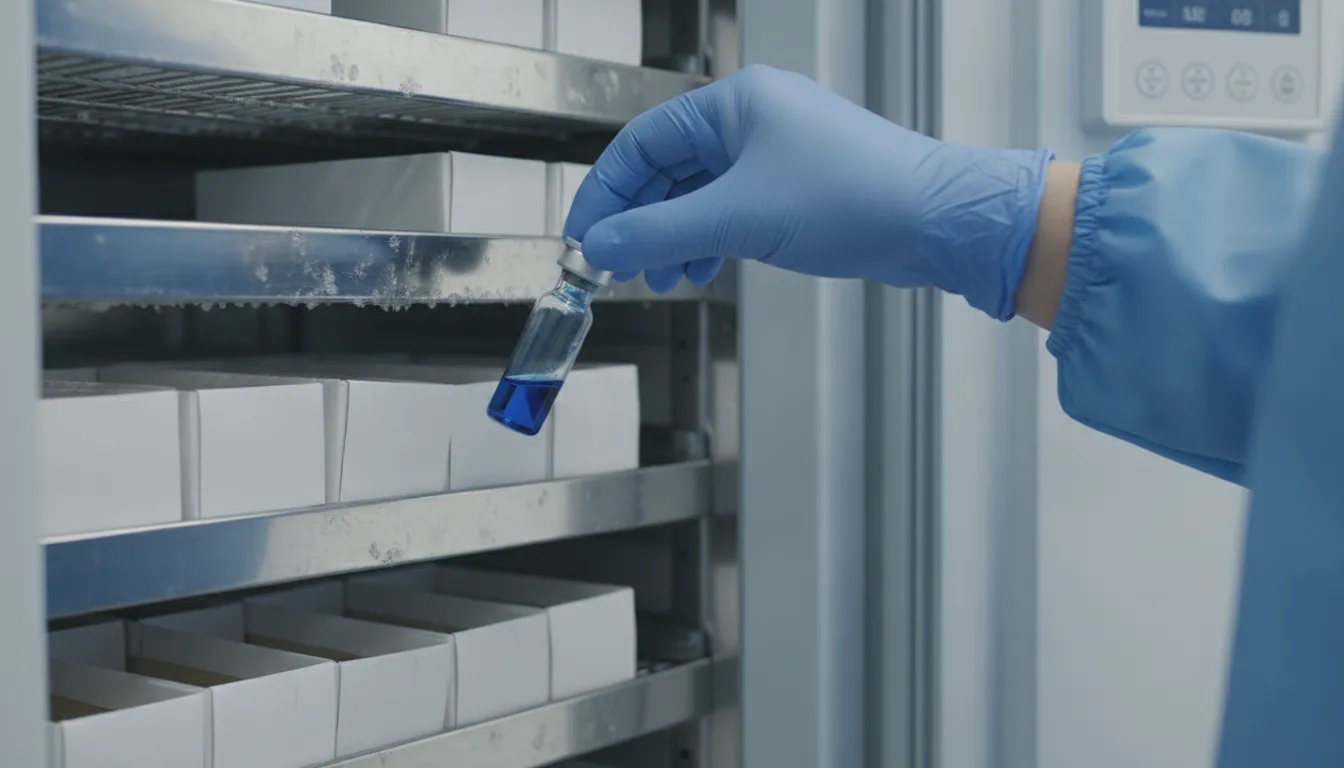
When you take a vial out of the freezer, let it reach room temperature first. This step stops water from the air from condensing inside the vial. Wet powder can degrade much faster than dry powder. Following these steps helps make sure your lab tests are easy to repeat. Trusted Peptides provides third-party HPLC testing to confirm your starting purity is high.
How should a lab evaluate a GHK-Cu supplier?
Choosing a GHK-Cu supplier is a key step for any lab. To keep research results steady, a lab needs high-quality materials. GHK-Cu is a tripeptide that occurs in human blood and shows antioxidant effects in studies. Lab buyers should look for suppliers that offer clear data and proof of purity for every batch. This helps ensure the compound fits the needs of the study.
Check third-party testing data
A good supplier must show proof of quality. High-quality research peptides should undergo third-party High-Performance Liquid Chromatography (HPLC) testing to verify purity. This test shows if the GHK-Cu is pure and free of other items. Labs should ask for a Certificate of Analysis (COA) that links back to the specific batch they buy. It is helpful to know how to interpret your GHK-Cu COA documentation to verify the purity levels.
Checking the COA helps a lab see the chemical details. These details include the molecular weight and the peptide sequence. For GHK-Cu, the sequence is Gly-His-Lys-Cu(II). Trusted suppliers use neutral labs like MZ Biolabs to run these tests. This check gives researchers peace of mind that the compound will work as expected in a lab setting. Research compounds are for laboratory use only and are not for human consumption.
Look for batch consistency
Consistency is vital for long-term research. If the purity of GHK-Cu changes between orders, it can ruin the data. Labs should find a supplier that maintains tight control over their stock. A reliable partner will track every batch from start to end. This tracking helps keep the results of a study clean. Using standard GHK-Cu reconstitution practices is also a key part of keeping data steady across different tests.
A lab should also look at how a supplier ships the product. GHK-Cu is often sold as a white lyophilized powder. This form is stable and easy to ship. Good suppliers use fast shipping to make sure the powder stays in top shape. Labs in the U.S. often get free shipping on orders over $150. Fast shipping and batch tracking show that a supplier cares about the success of the research.
Ask about custom options
Some studies need unique tools or blends. A top supplier should offer more than just stock items. They may give options for custom blends or nasal spray forms for specific tests. Lab buyers should talk to the support team to see if they can help with custom research needs. A supplier that can adapt to the needs of a lab is a true partner in science. They help provide the right tools for complex work while following all safety rules.
Frequently Asked Questions
Why do GHK-Cu levels decline with age?
Natural levels of GHK-Cu are high in young adults but fall as the body ages. This drop is a key reason why experts look into how the peptide works in cell repair. Based on research found on PMC, blood levels of GHK fall by more than half by age 60. This loss is linked to a lower power for skin and other tissues to heal. Scientists study this trend to see how keeping levels high might affect tissue health.
What handling precautions apply to GHK-Cu peptide?
GHK-Cu is for research, laboratory, or analytical purposes only. It is not for human consumption. Laboratory personnel should follow their institution's approved safety procedures, use appropriate protective equipment, prevent unintended contact, and document each handling event. The supplier's batch documentation and the laboratory's own risk assessment should guide protocol-specific controls.
How is GHK-Cu studied in hair-follicle models?
Researchers use controlled cellular and preclinical models to investigate how the tripeptide complex interacts with signals associated with hair-follicle biology. Findings summarized in peer-reviewed literature can help teams select endpoints and design experiments. These research findings do not establish a human-use application or treatment claim.
What is the role of copper in GHK-Cu research?
Copper is a vital part of the GHK-Cu complex and gives the peptide its unique traits. The "Cu" in the name stands for copper, which binds to the peptide sequence. Experts study how this bond helps the peptide move into cells and bind to targets. According to academic sources, the presence of copper allows the complex to act as an antioxidant. This pairing is what makes the compound useful for testing how cells react to metals and stress.
Ready to source high grade GHK-Cu for your next lab study?
Using low grade tools can lead to bad data and lost time in your lab, so you should find a solid source for your supply today. If you wait too long to find a trusted partner, your project may fall behind and miss its key dates for the next data review. You do not want to risk your work on items that lack clear proof of high grade, as this can lead to failed tests. Getting your supply from a trusted place now helps you stay on track and get the high grade results your team needs for success.
Ready to move ahead? Create an account to view research peptide pricing and contact a team member to set up your next lab order.
