

Semax Peptide Research Guide: Specs and COA Review
Semax Peptide Research Guide: Specs and COA Review
Accurate research results depend on using semax peptide batches with verified third-party test data. Lab success requires more than a purity claim. Researchers must confirm identity, purity, documentation, and storage history before a batch enters a controlled study.
Review Semax peptide specifications and create an account to view pricing.

Semax peptide is a synthetic heptapeptide used as a laboratory research material. Before accepting a batch, researchers should verify its sequence, identity, purity, lot-specific COA, storage history, and research-only labeling. These controls help protect batch consistency and the reproducibility of analytical work.
Quality review begins with the specifications and test records supplied for the exact lot.
Semax peptide specifications researchers should verify
A Semax peptide specification review should confirm the seven-amino-acid sequence, expected molecular identity, physical presentation, storage requirements, and batch purity. Researchers should compare every specification against the lot-specific COA before admitting the material into a controlled study.
When you source the semax peptide for your lab, you must check its technical details. Semax is a synthetic neuropeptide made of seven amino acids. It is built from a fragment of the ACTH(4-7) chain and a C-terminal PGP tripeptide. Labs use this compound as a tool in brain research. You should verify the sequence and purity to ensure your data is clean and your study can be repeated by others.
Synthetic sequence and structure
The sequence of this compound is Met-Glu-His-Phe-Pro-Gly-Pro. This structure comes from linking a piece of the ACTH hormone with a small peptide called Pro-Gly-Pro. This specific chain is what gives the peptide its key features in animal tests. Researchers can find more about this structure in studies on acute stroke therapy and how genes react to it.
A lab should confirm that the chain matches the right design. Small changes in the peptide sequence can change how it works. Using high-quality lab-grade research peptides helps you avoid errors in your setup. Always check that the molecular mass shown on your report matches the target mass for this specific sequence. This ensures the compound you use is the one you intended to study.
Purity and batch verification
Purity is the most vital detail for any research compound. High-purity batches ensure that your results come from the peptide and not from leftover chemicals. Most labs look for a purity level of 98% or more. You can verify this by looking at a Certificate of Analysis (COA) for each batch. This paper shows the results of tests done by an outside lab.
Trusted Peptides uses MZ Biolabs to run these tests. They use High-Performance Liquid Chromatography (HPLC) to check the purity of every batch. This step helps ensure that each vial you buy is the same as the last one. You should always view COA documentation before you start a new set of tests. This check is key to getting repeatable results in your lab work.
| Specification | Standard Grade | HPLC-Verified Grade |
|---|---|---|
| Testing Method | In-house only | Third-party HPLC and MS |
| Documentation | General data sheet | Batch-specific COA |
| Purity Level | Variable | 98% or higher |
| Research Focus | Basic screening | Precise data analysis |
| Consistency | Moderate | High batch-to-batch |
Stability and presentation
Semax is usually sold as a lyophilized powder. This is a freeze-dried form that keeps the peptide stable for a long time. It is best to store these powders at -20C to keep them from breaking down. Once you mix the powder with a liquid, it becomes much more fragile. You must handle it with care to keep the peptide from clumping or losing its structure.
The type of tube you use also matters. Research shows that low-adsorption plastic tubes are the best choice for storing peptides. Standard plastic or glass tubes can cause you to lose some of your compound to the walls of the vial. Using the right tools helps you get the most out of your supply. This care is needed to get the best data in every study you run.
How to review a Semax peptide COA
To review a Semax peptide COA, match the lot number to the vial, confirm the reported identity, examine the HPLC purity result and chromatogram, and verify the independent laboratory and test date. Archive the report with the study record before using the batch.
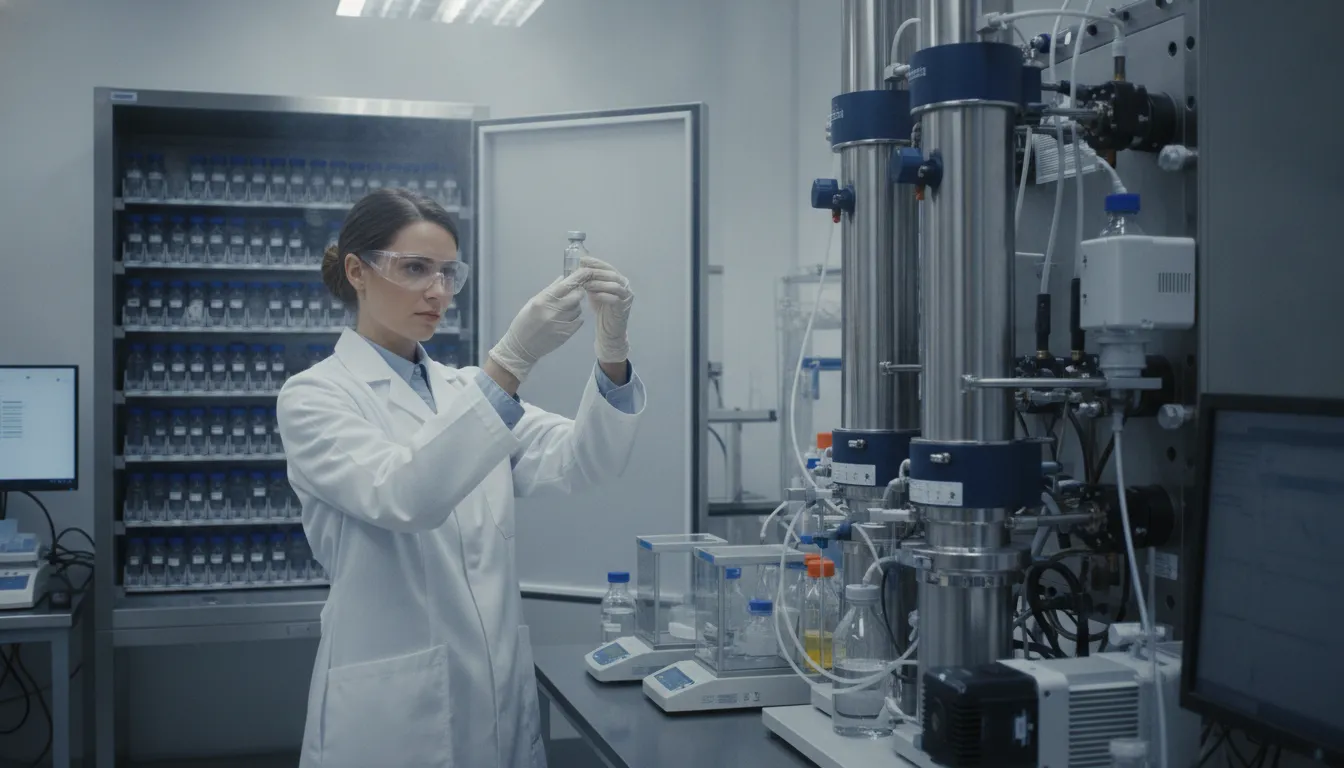
High-purity research compounds are vital for study results. When you buy a semax peptide, you must check the Certificate of Analysis (COA). This paper shows that a third-party lab tested the batch. It confirms the compound is pure and correctly made for lab use.
Check the purity level
The purity of the compound is the most important part of a COA. High-performance liquid chromatography (HPLC) is the standard tool to find this value. Lab tests from independent teams show that purity affects how well a compound works in tests. Most research labs look for a purity of 98% or higher to keep their data clean.
Look at the chromatogram on the COA. It should show one large peak with very few small peaks around it. This large peak represents the semax peptide. Many small peaks may show that there are leftovers from the making process. They might also show that the peptide has started to break down.
Verify the chemical identity
Purity is not the only thing that matters in a COA review. You also need to know that the substance is truly semax. Mass spectrometry (MS) is used to verify the mass of the peptide. Semax is a synthetic neuropeptide made of an ACTH fragment and a tripeptide, as noted in academic papers. The COA must show a mass that matches this specific chemical structure.
A good report will list the batch number and the date of the test. You should match these details with the vial you received in your lab. This step helps ensure that the COA documentation matches the exact batch you are using for your study.
Review the lab source
The lab that runs the test should be neutral and skilled. Trusted Peptides uses MZ Biolabs to check every batch for accuracy. A third-party test is better than a report from the maker because it avoids bias. It gives you more trust in the data before you start your lab work.
Verify that the lab name and contact info are on the page. You can often check their website to see if the report is real. This double-check protects your work from bad or fake data. Using verified, lab-grade research peptides helps you get results that other scientists can repeat.
How should Semax peptide be stored and handled?
Store and handle Semax peptide according to the supplier documentation for the exact lot. Laboratories should protect the material from heat, light, moisture, contamination, and unnecessary temperature cycling while maintaining a traceable storage log for each vial.
Good storage is a key part of any study using the semax peptide. Study teams must keep the compound stable to get clear data. This starts with the right tools and a clean work space. Small changes in heat or light can hurt the peptide. This leads to bad results and lost time in the lab.
Most labs use lab-grade research peptides that come as a dry powder. This form is called lyophilized. It stays stable longer than a liquid mix but still needs care. You should look at the lab files for each batch to see its needs. You can view COA reports for every batch. This makes sure your work can be done again with the same results.
Keeping the peptide pure
Peptide chains are weak. Heat and light can break the bonds that hold them together. When you get your semax peptide, check the seal right away. Water is a big risk for dry powders. It can cause the powder to clump or break down. A dry, dark spot is best for short term use. For long term storage, follow the rules from the firm that made it.
The type of tube you use matters a lot. Research shows that low-adsorption plastic tubes are better than glass or standard plastic. These tubes help you get more of the peptide back out. Normal plastic can catch the peptide on the walls. This lowers the amount you can use. Glass is better than cheap plastic but still not as good as the low-adsorption type.
Setting up the best storage
Keeping a log of lab facts is a good habit. Most dry peptides stay good for a long time if they are kept cold. But you must avoid too many freeze-thaw cycles. Taking a vial out many times can hurt its form. This is why many labs split a large batch into smaller parts.
Each small part stays sealed until it is needed. This keeps the rest safe from air and heat. Always keep the vials in a dark box. Even short light exposure can start to break down the compound. If the vial is clear, you can wrap it in foil to keep it pure for your work.
Step-by-step storage guide
- Check the vial as soon as it arrives to make sure the seal is tight and no water has entered.
- Place the unopened dry powder in a dark, dry spot to shield it from heat and light.
- Use low-adsorption plastic tubes for any extra storage to keep the peptide from sticking to the walls.
- Keep a clear log of the date, batch code, and storage heat to maintain full lab records.
- Avoid frequent shifts in heat by only taking out the vials needed for the day's lab tasks.
- Refer to the maker files for any unique needs that apply to your exact batch of semax peptide.
Handling the peptide in a clean space is also a must. Use gloves and clean tools to stop any dirt from getting in. If you need to move the powder, do it fast. This limits the time it spends in the air. While semax peptide is used in many studies on brain health, its quality depends on your care. Following these steps ensures your lab data is as solid as can be.
What should laboratories look for in a Semax supplier?
A qualified Semax peptide supplier should provide lot-specific third-party testing, clear identity and purity records, research-only labeling, documented handling guidance, and responsive support for quality questions. Procurement teams should verify these controls before approving a vendor or accepting a batch.
Finding a good source for the semax peptide is a key part of any lab study. You need a partner that knows the strict needs of a research setting. A top supplier will give you clear data on the purity and state of each batch. This helps you get results you can trust and repeat. When you look at other sources, focus on their testing, records, and how they handle the products.
Verify third-party testing
Labs should always ask for proof of quality from a source outside the seller. The best way to check this is with High-Performance Liquid Chromatography (HPLC) tests. This method shows the exact purity and makeup of the compound. It is a standard tool in most bio labs. Trusted Peptides uses MZ Biolabs to perform these tests on its products. They check each batch to ensure it meets high standards for lab-grade research peptides.
Working with an outside lab adds a layer of trust. It shows that the supplier is not just grading their own work. Instead, they let an expert team verify that the product is what they say it is. This is vital for any study where the chemical makeup must be exact. Using a third-party also ensures that the results are objective and free from bias.
Check for batch purity records
Each batch of the semax peptide should come with a Certificate of Analysis (COA). This file lists the exact purity of the material in that specific lot. It is not enough for a seller to claim their products are pure. They must provide the data to back it up for every order. You can View COA Documentation to see how these records should look.
A good COA will show the batch number, the date of the test, and the final purity score. These records help you keep track of your materials for your lab logs. If a supplier cannot give you a batch-specific COA, they may not be tracking their stock well. This lack of data can lead to errors in your research. Always pick a partner that values clear records as much as you do.
Review shipping and storage rules
How a supplier packs and ships a peptide can change its quality over time. High-purity research compounds can be hurt by heat and light. A top source will use fast shipping and the right type of tubes to protect the product. Research shows that low-adsorption plastic tubes are the best choice for storing peptides. They help keep the product stable and stop it from sticking to the tube walls. Using the right storage helps you get the best data from your work.
You should also look at how the supplier handles custom needs. Some labs may need a specific amount or blend for their work. A source that offers custom mixes shows they have the skills to help with complex tasks. Responsive research supply support is also key. If you have a question about a batch or a shipment, you need a team that answers fast with facts. They should be able to explain their process and give you the help you need for your project.
Keep in mind that these products are for research, laboratory, or analytical purposes only. They are not for human use. Following these rules helps keep your lab in line with law and safety codes. It also ensures that the compounds are used in the right way for scientific work.
Browse lab-grade research peptides and review available quality documentation.
Frequently Asked Questions
These common Semax peptide questions focus on research-only status, batch documentation, HPLC testing, and laboratory storage. Exact requirements should always be confirmed against the documentation supplied for the specific lot and the laboratory protocol.
These concise answers address common laboratory procurement, compliance, testing, and storage questions about Semax peptide. They are provided for research, laboratory, and analytical purposes only.
Is Semax FDA approved for clinical use?
Semax is not FDA approved for human use or any medical treatment. It is a synthetic chemical meant for laboratory research and testing only. Trusted Peptides supplies this compound for research use in controlled settings. Researchers must handle the material according to safety rules and local laws. Any use outside of a lab or for personal consumption is strictly banned.
What documentation should accompany a Semax peptide batch?
A Semax peptide batch should be accompanied by a lot-specific certificate of analysis, the matching HPLC purity report, identity data such as mass spectrometry results when available, batch and lot identifiers, and research-use-only labeling. Laboratories should confirm that every document references the material received and retain the records with the protocol files.
Why is HPLC testing important for research peptides?
HPLC testing is vital because it proves the purity and makeup of a peptide batch. This process ensures that the compound meets strict quality rules and lacks harmful waste. Trusted Peptides uses MZ Biolabs for third-party checks on every lot. High purity is needed for research success, as it ensures that data comes from the compound itself rather than from hidden dirt.
What is the best way to store Semax for long term stability?
To keep the peptide stable, researchers should use low-adsorption plastic tubes for storage. Data from the National Library of Medicine suggests that standard glass or plastic may cause the material to stick to the walls. It is also best to keep the powder in a cold, dry place away from light. These steps help prevent the chemical from breaking down over long weeks in the lab.
Review Semax peptide quality documentation
Semax peptide sourcing decisions should be based on verified specifications, lot-specific test data, and documented research-only controls. Review the available quality information before selecting material for a laboratory protocol or analytical workflow.
Trusted Peptides supplies research materials with third-party HPLC testing and batch-specific quality documentation. Review the available Semax peptide specifications, confirm that they fit your protocol, and keep the relevant records with your laboratory files.
Review Semax peptide specifications and create an account to view pricing.
All products are for research, laboratory, or analytical purposes only. They are not for human consumption and are not intended to diagnose, treat, cure, or prevent disease.
