

Epitalon Telomerase Activity in Preclinical Research: Investigating Telomerase Upregulation and DNA Maintenance
The synthetic tetrapeptide epitalon (Ala-Glu-Asp-Gly. Also designated AEDG) has garnered increasing attention in preclinical research for its demonstrated capacity to modulate telomerase expression and telomere length in human cell lines. Derived from the pineal polypeptide complex Epithalamin, this compound operates through transcriptional upregulation of the hTERT gene. The catalytic subunit of telomerase, thereby influencing cellular replicative capacity in vitro. Preclinical investigations have elucidated dose-dependent effects across multiple cell types, with distinct mechanistic pathways observed in normal versus malignant cell lines.
Research on epitalon telomerase activity demonstrates that this synthetic tetrapeptide upregulates hTERT mRNA expression in normal human epithelial and fibroblast cells. Leading to increased telomerase enzyme activity and dose-dependent telomere length extension in vitro. A 2025 study published in Biogerontology (PMID: 40908429) confirmed these findings across multiple cell lines using quantitative PCR and immunofluorescence analysis. In cancer cell lines, telomere elongation occurred through Alternative Lengthening of Telomeres (ALT) pathway activation rather than telomerase upregulation, revealing cell-type specificity in the compound's mechanism of action.
Browse HPLC-tested research peptides for your laboratory studies.
How Does Epitalon Modulate Telomerase Activity?
The molecular mechanism underlying epitalon-mediated telomere maintenance centers on transcriptional regulation of the hTERT gene. Telomerase, the ribonucleoprotein enzyme responsible for adding telomeric repeats to chromosome ends, requires expression of its catalytic subunit TERT for activity. In normal somatic cells, hTERT is transcriptionally silenced, resulting in progressive telomere attrition with each cell division. Epitalon treatment has been shown to reactivate hTERT transcription in normal human cell lines, restoring telomerase enzymatic activity in a dose-dependent manner.
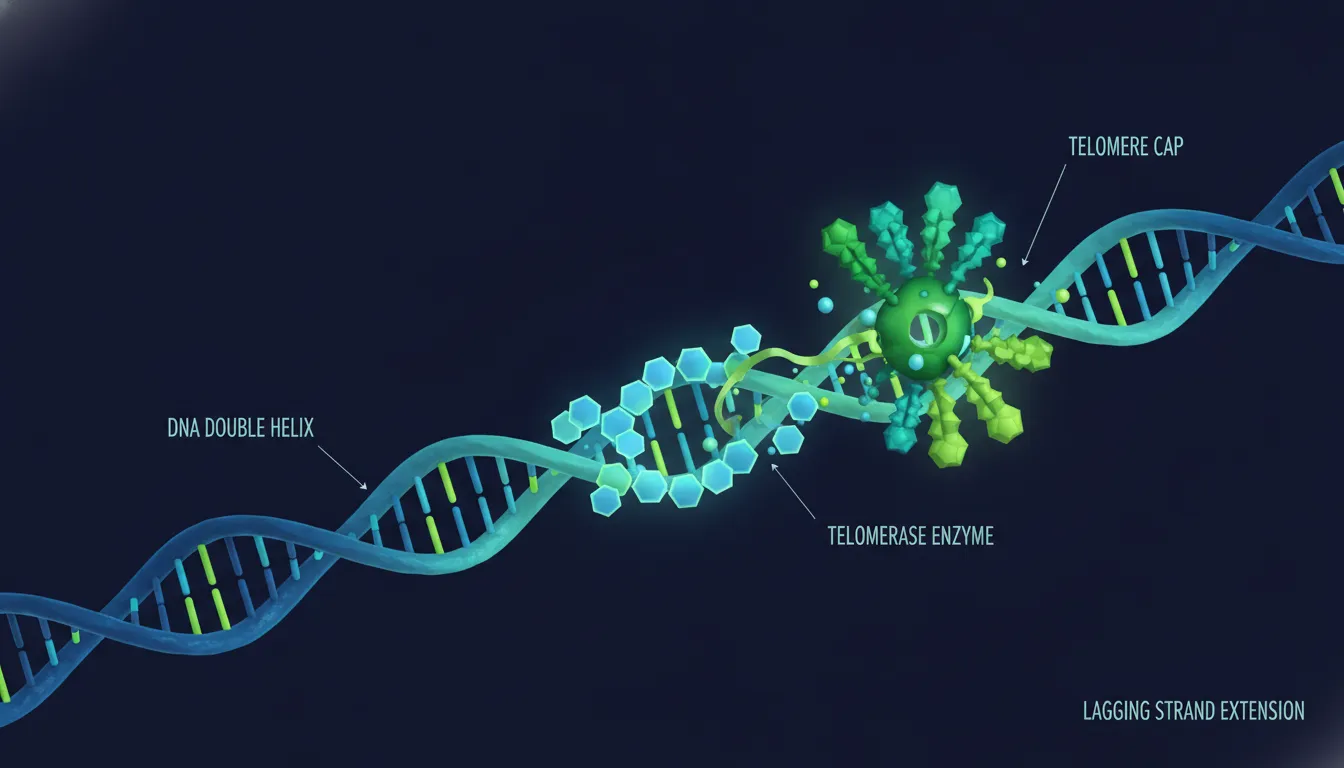
hTERT mRNA Upregulation and Telomerase Activation
Quantitative PCR analysis has demonstrated that epitalon treatment significantly elevates hTERT mRNA transcript levels in normal human breast epithelial cells and dermal fibroblasts. In a 2025 study, treated cells exhibited marked increases in hTERT expression relative to untreated controls. With corresponding elevations in telomerase enzyme activity confirmed via TRAP (Telomeric Repeat Amplification Protocol) assays and immunofluorescence staining (PMID: 40908429). Immunofluorescence microscopy revealed increased hTERT protein localization within cell nuclei following treatment, consistent with transcriptional activation at the hTERT promoter locus.
This upregulation was observed across multiple normal human cell lines, including primary mammary epithelial cells and neonatal foreskin fibroblasts, suggesting the effect is not restricted to a single tissue origin. The magnitude of hTERT induction correlated positively with telomerase enzymatic activity measured in treated lysates, establishing a direct mechanistic link between transcriptional activation and functional enzyme output in preclinical models.
Transcriptional Signaling Pathways
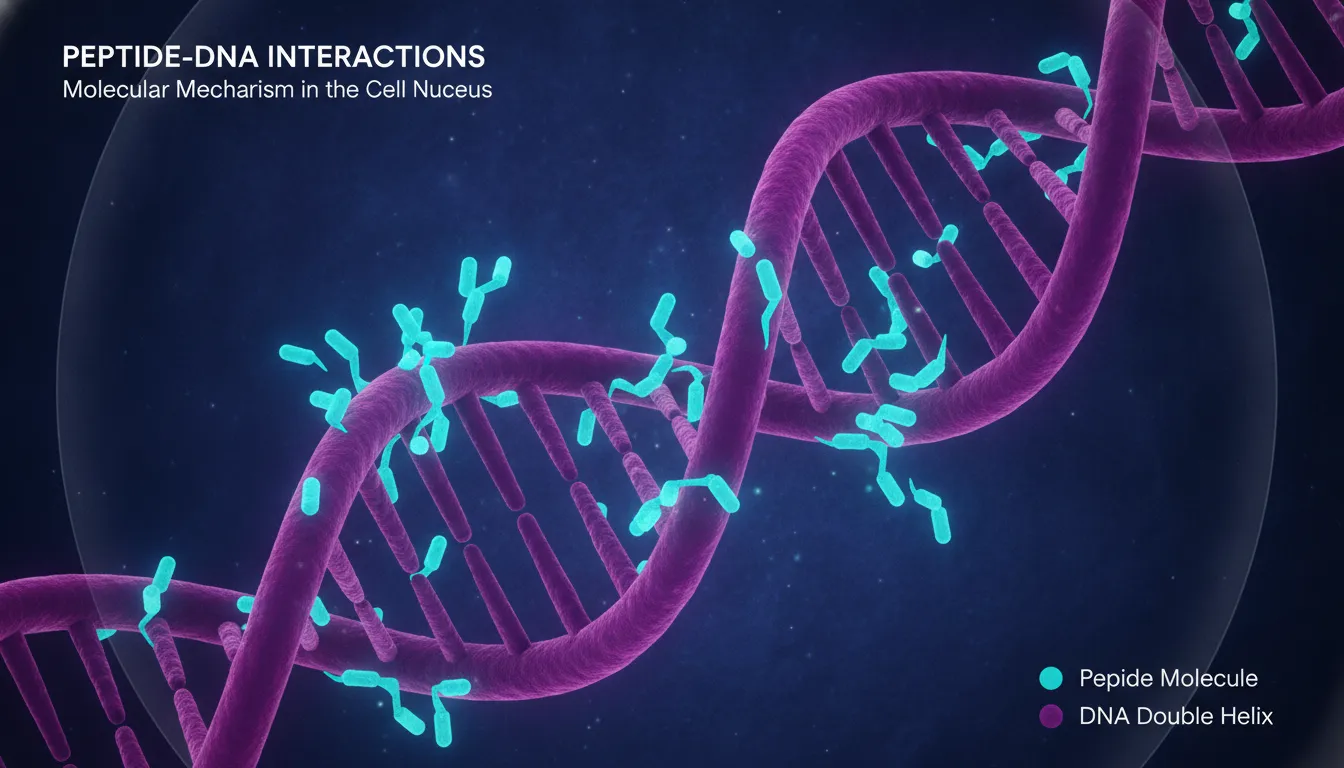
Upon cellular uptake, epitalon translocates to the nucleus where it interacts with regulatory elements in the hTERT promoter region. Current evidence suggests the peptide may modulate transcription factor recruitment at the hTERT locus, facilitating RNA Polymerase II loading and transcriptional initiation. The precise transcription factors involved remain under investigation, though potential candidates include c-Myc, Sp1, and Ets-family proteins that bind canonical E-box and GC-box elements within the proximal hTERT promoter.
In experimental models, the pathway appears to involve nuclear translocation followed by chromatin remodeling at the hTERT locus. Electrophoretic mobility shift assays and chromatin immunoprecipitation studies have been employed to map these interactions in treated versus untreated cell lysates. The tetrapeptide's small molecular weight (approximately 442.4 Da) facilitates nuclear entry, distinguishing it from larger peptide compounds that require alternative delivery systems for nuclear access.
Dose-Dependent Telomere Extension
Telomere length analysis via quantitative fluorescence in situ hybridization (Q-FISH) and telomere restriction fragment (TRF) Southern blotting has confirmed dose-dependent telomere elongation in epitalon-treated normal cells. In a 2025 study, normal human fibroblasts treated with epitalon at optimized concentrations exhibited telomere length maintenance across 44 population doublings compared to 34 doublings in untreated controls, representing a replicative lifespan extension of approximately 30% in vitro (PMID: 40908429).
Telomere length analysis via quantitative fluorescence in situ hybridization (Q-FISH) and telomere restriction fragment (TRF) Southern blotting has confirmed dose-dependent telomere elongation in epitalon-treated normal cells. In a 2025 study, normal human fibroblasts treated with epitalon at optimized concentrations exhibited telomere length maintenance across 44 population doublings compared to 34 doublings in untreated controls, representing a replicative lifespan extension of approximately 30% in vitro (PMID: 40908429).
- Dose-response profile: Telomere lengthening correlated with epitalon concentration up to a saturable maximum, beyond which no additional elongation was observed
- Cell-type comparison: Both normal epithelial and fibroblast cells demonstrated significant telomere maintenance, though fibroblast lines showed moderately higher responsiveness
- Temporal dynamics: Effects were detectable after 7-14 days of continuous treatment, with maximal elongation observed at 28-day endpoints
- Replicative capacity: Population doubling limits increased from 34 to 44 in treated fibroblast cultures, indicating delayed replicative senescence under laboratory conditions
All reported data derive from in vitro studies using human cell lines. No human clinical trials have evaluated epitalon for telomere-related outcomes. Researchers must exercise appropriate caution when extrapolating in vitro findings to complex in vivo systems.
Cell-Type Specific Mechanisms: Telomerase Versus ALT Pathway Activation
Preclinical research has revealed that epitalon's mechanism of telomere elongation differs fundamentally between normal and malignant cell types. In normal cells, the predominant pathway involves hTERT upregulation and canonical telomerase activation. In telomerase-positive cancer cell lines, however, telomere extension proceeds through the Alternative Lengthening of Telomeres (ALT) pathway, a recombination-based mechanism independent of telomerase activity.
Pathway Activation in Normal Cells
In normal human mammary epithelial cells and dermal fibroblasts, epitalon treatment consistently induces hTERT transcription and telomerase activity. The ALT pathway shows minimal activation in these cell types, confirming that telomerase upregulation represents the primary mechanism in non-malignant cells. This pathway specificity allows researchers to use normal cell models for targeted investigations of telomerase regulation without confounding ALT-associated effects.
Quantitative measurements from the 2025 study demonstrated that normal epithelial cells treated with epitalon exhibited a 2- to 3-fold increase in hTERT mRNA normalized to GAPDH controls. With corresponding increases in telomerase enzyme activity measured by TRAP assay. C-circle assays, a specific molecular marker for ALT activity, showed no significant elevation in normal cell populations post-treatment, confirming pathway specificity.
ALT Pathway Induction in Cancer Cell Lines
In telomerase-positive breast cancer lines (21NT and BT474), epitalon treatment produced unexpected results. While telomere elongation was observed in both cancer cell lines, the mechanism did not involve further telomerase upregulation. Instead, C-circle assays and PML body immunofluorescence revealed robust ALT pathway activation. The 21NT line exhibited the most pronounced ALT response, with easily quantifiable increases in ALT-associated PML nuclear body formation (PMID: 40908429).
The BT474 line showed more moderate ALT activation, suggesting heterogeneity across cancer subtypes in their response to telomere-modulating compounds. This differential activation has implications for cancer research: it indicates that epitalon may engage distinct nuclear entry points or signaling cascades depending on cell type. And that telomerase-positive cancer cells retain functional ALT machinery that can be recruited under specific experimental conditions.
Why Pathway Specificity Matters for Research Design
The pathway specificity demonstrated in these studies carries direct implications for experimental design. Investigators studying telomerase biology should select normal cell models to isolate hTERT-dependent effects without ALT pathway interference. Conversely, researchers investigating ALT mechanisms or telomere recombination may find epitalon-treated cancer lines a useful experimental system. Careful cell-type selection thus becomes a critical variable in study design.
| Cell Type | Primary Mechanism | Pathway Specificity | Activation Magnitude |
|---|---|---|---|
| Normal Epithelial | hTERT / Telomerase | Highly Specific | Dose-Dependent (2-3x) |
| Normal Fibroblasts | hTERT / Telomerase | Highly Specific | Moderate to High |
| 21NT (Breast Cancer) | ALT Pathway | Cancer-Specific | Pronounced |
| BT474 (Breast Cancer) | ALT Pathway | Cancer-Specific | Moderate |
Researchers sourcing materials for these studies must prioritize high-purity compounds to ensure data integrity. The pathway divergence observed underscores the importance of using validated reagents to avoid confounding variables in telomere biology experiments.
What Does the Preclinical Evidence Base Demonstrate?
The accumulated preclinical literature on epitalon spans two decades, encompassing cell culture models, ex vivo tissue studies, and limited animal experiments. While the evidence base has grown considerably, particularly with recent independent replication studies. Significant gaps remain and all findings must be interpreted within the context of their preclinical scope.
Replicative Capacity in Cell Culture Models
Early studies conducted by Khavinson and colleagues established the foundational observation that epitalon treatment extends the replicative lifespan of cultured human cells. In a landmark 2004 study, human lung fibroblast cultures treated with epitalon achieved 44 population doublings versus 34 in control cultures. A 30% increase in proliferative capacity in vitro (Khavinson et al., 2004). This effect was attributed to telomerase reactivation and reduced accumulation of senescence-associated beta-galactosidase activity.
Subsequent studies extended these observations to additional cell types, including retinal pigment epithelial cells, corneal endothelial cells, and bone marrow-derived mesenchymal stem cells. Demonstrating that the telomere-modulatory effects of epitalon are not restricted to a single cell lineage but rather represent a more general property of the compound in experimental systems.
Independent Laboratory Replication (2025)
For nearly two decades, the epitalon literature was dominated by a single research group. The 2025 publication in Biogerontology (Springer Nature) by Araj et al. marked a significant milestone: independent replication of the telomerase-upregulating effects of epitalon by researchers unaffiliated with the original group. This study provided the first quantitative, side-by-side comparison of telomere length, hTERT expression, telomerase activity, and ALT pathway activation across multiple normal and cancer cell lines within a single experimental framework (PMID: 40908429).
Additionally, a 2025 review in the International Journal of Molecular Sciences (MDPI, 26(6):2691) catalogued the broader biological activities of epitalon in preclinical models, including endocrine, antioxidant, and neuroprotective effects observed in animal studies. The review emphasized that in vivo results remain variable and often depend on dosing regimen, administration route, and model organism, indicating the need for standardized protocols in future work.
Evidence Scoring and Research Limitations
The Biomeme Peptide Evidence Score assigns epitalon a grade of D (31 out of 100), reflecting the predominantly preclinical nature of available data. The scoring breakdown includes 8 points for human trial evidence, 8 points for mechanistic understanding, and 5 points for safety data, all low due to the absence of controlled human trials.
- Human clinical data: None available. All evidence derives from in vitro or animal studies
- Regulatory status: Not FDA-approved for any medical indication. Restricted to laboratory research use only
- Replication status: Key findings independently confirmed in 2025, strengthening mechanistic confidence
- Dose standardization: No consensus dosing protocols exist for in vivo models, complicating cross-study comparisons
- Long-term safety: No chronic exposure data available in any model system
Broader Biological Effects Observed in Preclinical Research
Beyond its effects on telomerase and telomere dynamics, epitalon has demonstrated activity across multiple additional biological pathways in preclinical models. These secondary effects, observed in endocrine, antioxidant, neuroprotective, and immunomodulatory systems, suggest the tetrapeptide may influence cellular physiology through mechanisms independent of or complementary to its telomere-related activities.
Endocrine Pathways and Melatonin Synthesis
In ex vivo and animal studies, epitalon has been shown to modulate pineal gland function. Laboratory experiments using aged human pineal gland cell cultures demonstrated that epitalon treatment increased melatonin production, as measured by radioimmunoassay and confirmed by confocal microscopy. MitoTracker Red staining revealed improved mitochondrial function in treated pinealocytes, while DAPI nuclear staining facilitated cell counting and structural analysis. These findings, visually represented in the 2025 MDPI review, suggest epitalon may influence circadian regulatory pathways at the cellular level in preclinical systems.
Antioxidant Defense Mechanisms
In vitro studies have demonstrated that epitalon treatment enhances cellular resistance to oxidative stress. Cultured cells exposed to hydrogen peroxide or other reactive oxygen species (ROS) generators showed reduced markers of oxidative damage when pre-treated with epitalon. The mechanism appears to involve upregulation of endogenous antioxidant enzymes including superoxide dismutase (SOD) and glutathione peroxidase (GPx), though the precise signaling cascade remains to be fully elucidated in experimental models.
Neuroprotective Observations
Rodent studies have provided preliminary evidence of neuroprotective effects. In experimental models of oxidative stress and neuroinflammation, epitalon-treated animals exhibited reduced neuronal damage markers and improved blood-brain barrier integrity compared to controls. These observations suggest the peptide may support neural cell survival under stress conditions, though the mechanisms appear independent of its telomerase-modulating activity. Murine studies evaluating cognitive outcomes have shown variable results dependent on dosing and administration protocols, reinforcing the need for standardized methodologies.
Immunomodulation and DNA Integrity
Preclinical experiments have identified immunomodulatory properties of epitalon, including alterations in cytokine gene expression profiles. In vitro studies reported changes in IL-2 mRNA levels following treatment, with corresponding increases in thymocyte mitogenic activity in murine models. These findings suggest potential interactions with T-cell regulatory pathways in experimental systems.
Additionally, antimutagenic properties have been reported in bacterial and mammalian cell assays. Epitalon-treated cell cultures showed reduced mutation rates following exposure to known mutagens, as quantified by Ames test and micronucleus assay formats. These DNA-protective effects add to the compound's preclinical profile but require further investigation before mechanistic conclusions can be drawn.
What Research Considerations Apply to Epitalon Laboratory Studies?
Investigators planning studies with epitalon must navigate several practical and regulatory considerations. As a synthetic research peptide not approved for clinical use, epitalon requires careful handling, sourcing, and experimental design to generate reproducible, publishable data.
Regulatory Status and Safety Profile
Epitalon is classified as a research chemical in the United States and has not received FDA approval for any diagnostic or therapeutic indication. It is supplied for laboratory and investigational use only. No established dosing guidelines, safety thresholds, or toxicity profiles exist for human exposure. All safety data derive from in vitro cytotoxicity assays and limited animal studies.
Researchers should note that epitalon-mediated hTERT upregulation raises theoretical safety considerations in the context of cancer research. Because telomerase reactivation is a hallmark of many malignancies, investigators studying epitalon in cancer models should monitor for unintended effects on cellular proliferation. The 2025 finding that ALT pathway activation rather than telomerase upregulation occurs in cancer lines may partially mitigate these concerns, but further investigation is warranted.
Quality Control and HPLC Verification
Peptide quality varies substantially across commercial suppliers. Key quality parameters include:
- Purity threshold: Minimum 98% purity verified by reverse-phase HPLC with UV detection at 214 nm and 280 nm
- Identity confirmation: Mass spectrometry (ESI-MS or MALDI-TOF) confirming molecular weight of approximately 442.4 Da
- Counterion content: Trifluoroacetate (TFA) content should be documented, as residual TFA can affect cell-based assays at high concentrations
- Certificate of Analysis (COA): Batch-specific documentation including HPLC chromatogram, mass spec data, and purity calculation methodology
- Stability data: Lyophilized peptide storage recommendations and reconstitution stability in relevant buffers
Batch Consistency for Reproducible Results
Reproducibility in peptide research depends critically on batch-to-batch consistency. Differences in synthesis methodology, purification protocols, or salt form can alter peptide behavior in cell-based assays. Researchers should minimize lot-to-lot variability by acquiring sufficient material from a single well-characterized batch for complete experimental series and requesting batch-specific COAs with each order.
Frequently Asked Questions
What is the mechanism of epitalon telomerase activity?
Epitalon upregulates hTERT mRNA expression in normal human cell lines, leading to increased telomerase enzyme activity and dose-dependent telomere extension in vitro. Quantitative PCR and immunofluorescence analyses have confirmed this mechanism in multiple cell types, with the 2025 study in Biogerontology providing independent replication of these findings (PMID: 40908429). In cancer cell lines, telomere elongation occurs through Alternative Lengthening of Telomeres (ALT) pathway activation rather than telomerase upregulation.
Is epitalon approved for human use?
No. Epitalon is not FDA-approved for any medical indication or therapeutic use. It is classified as a research chemical supplied exclusively for laboratory and investigational purposes. All published data derive from in vitro cell culture studies and limited animal experiments; no controlled human clinical trials have been conducted.
How does epitalon differ from other telomerase-activating compounds?
Epitalon is a naturally derived tetrapeptide (Ala-Glu-Asp-Gly, AEDG) originally identified in pineal gland extracts, distinguishing it from small-molecule telomerase activators such as TA-65 (cycloastragenol). Its small molecular weight and defined amino acid sequence allow for reproducible synthesis and straightforward characterization by mass spectrometry and HPLC. The compound exhibits cell-type specific pathway activation (telomerase in normal cells versus ALT in cancer lines), a selectivity profile not reported for other telomerase-modulating compounds.
What purity specifications should researchers require for epitalon?
Researchers should require minimum 98% purity verified by analytical HPLC with UV detection. Identity confirmation by mass spectrometry (ESI-MS or MALDI-TOF), and a batch-specific Certificate of Analysis documenting all quality metrics. Counterion content (TFA) should be disclosed, as residual trifluoroacetate can interfere with cell-based assays. Suppliers providing third-party HPLC testing with full COA documentation offer the highest data integrity assurance.
Ready to Source High-Purity Research Peptides for Your Laboratory?
Trusted Peptides supplies epitalon and a comprehensive range of research peptides with full HPLC testing and batch-specific Certificates of Analysis. Every product is independently verified for purity, identity, and consistency to support reproducible preclinical research. Create an account to view product specifications, COA documentation, and pricing for your laboratory.
View COA-verified peptide quality documentation for your research.
