

AOD-9604 Peptide Profile: Lipolytic Mechanisms in Research
Isolating the metabolic properties of growth hormone requires a precise focus on its active fragments. Researchers use the AOD-9604 peptide to study fat metabolism without affecting insulin sensitivity in laboratory models. Browse our AOD-9604 product page to review third-party COA documentation and purity specifications for your research protocols.
The AOD-9604 peptide is a synthetic 16-amino acid fragment modeled after the C-terminus of human growth hormone. It helps scientists study fat metabolism without growth effects. Investigations in lab models indicate that this peptide selectively promotes fat breakdown while keeping insulin sensitivity normal. It also reduces the growth of new fat cells in adipose tissues. Academic research shows that chronic treatment does not harm carbohydrate metabolism. This makes it a useful tool for studying how hormones send signals in complex metabolic signaling pathways. All research-grade versions are for lab use only and need third-party HPLC testing to verify batch purity. This ensures consistency for reliable results in studies. Scientists use this compound to investigate how specific hormonal domains influence lipid mobilization and energy expenditure in various preclinical research environments and controlled laboratory settings.
Principal investigators must understand the molecular design of this fragment before exploring its complex metabolic effects. The following section details the chemical structure and origins of AOD-9604 to provide the necessary context for laboratory research and analytical studies. This structural background is essential for researchers sourcing AOD-9604 for laboratory research. The path begins with
AOD-9604 Peptide: Chemical Structure and Origins
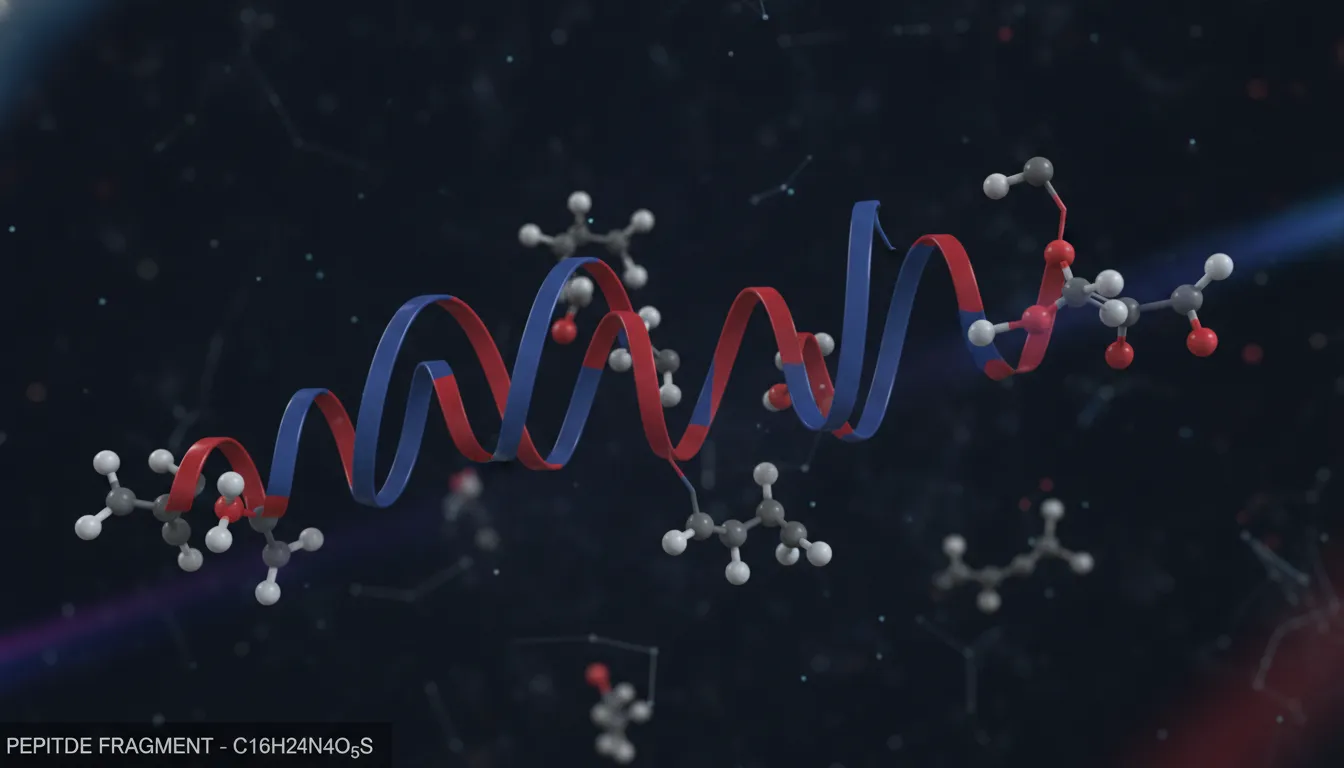
The AOD-9604 peptide is a synthetic analog modeled after the C-terminal region of human growth hormone (hGH). Specifically, this compound represents a 16-amino acid fragment that spans residues 176-191 of the full-length hormone. Researchers developed this sequence to isolate the fat-loss (lipolytic) effects of growth hormone while removing its impact on blood sugar and insulin sensitivity. Laboratory studies often use AOD-9604 as a precise tool to study metabolic pathways in controlled research settings.
Molecular properties and sequence
This synthetic peptide has a clear chemical identity defined by its molecular formula, C78H123N23O23. It features a molecular weight of 1815.0 g/mol and is identified by the CAS number 221231-10-3. The sequence includes a tyrosine substitution at the N-terminus to enhance stability during peptide reconstitution for experimental research. These specific structural traits allow the peptide to mimic the metabolic signaling of hGH without triggering systemic growth effects or IGF-1 elevation in animal models.
Discovery and development history
The development of AOD-9604 began in the 1990s at Monash University in Australia. The goal was to find a specific part of the growth hormone molecule that could stimulate fat metabolism without the side effects seen with the whole protein. By focusing on the C-terminus fragment, scientists created a research tool that could target adipose tissue more selectively. Modern laboratories rely on HPLC analysis and purity validation to ensure that each batch of the peptide matches these original structural standards.
Structural role in metabolic research
In a laboratory setting, the structure of AOD-9604 serves as a model for exploring how small peptide chains interact with fat cells. Its 16-amino acid design makes it easier to synthesize and study compared to the 191-amino acid chain of full hGH. This reduced size helps researchers observe specific receptor binding and enzyme activity without the interference of other hormonal functions. The molecule lacks the human growth hormone domain that affects muscle and bone growth. Making it a primary subject for studies focused strictly on lipid mobilization and adipose tissue metabolism. Researchers can source AOD-9604 for lipid metabolism research through verified laboratory supply channels that provide comprehensive COA documentation.
Quality Standards and Analytical Verification
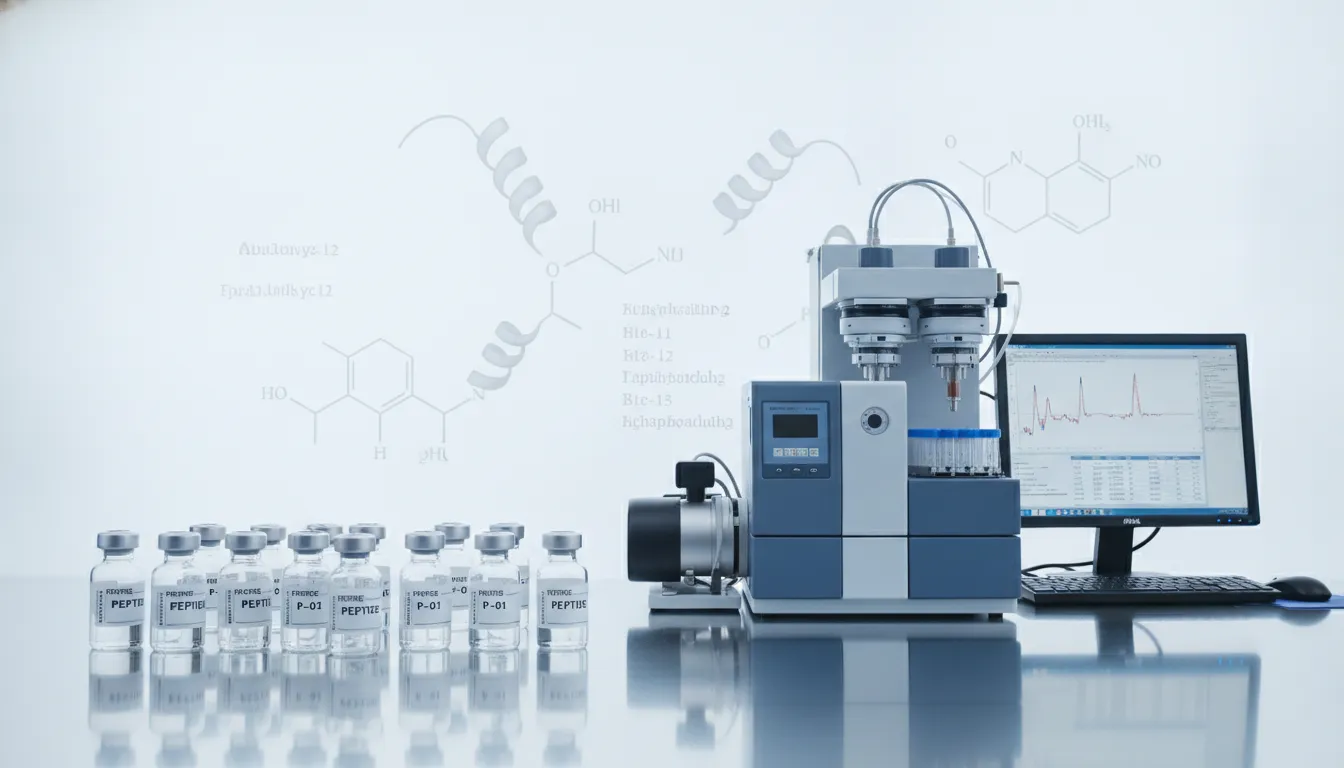
Research-grade peptides require rigorous quality control to ensure experimental reproducibility. Review our third-party HPLC testing protocols and batch-specific Certificate of Analysis for each peptide order. The AOD-9604 peptide supplied for research purposes undergoes multiple analytical verification steps before release.
HPLC testing and purity analysis
High-performance liquid chromatography (HPLC) serves as the primary analytical method for verifying peptide purity. Each batch of AOD-9604 is analyzed using reverse-phase HPLC to determine purity levels, typically exceeding 98% for research-grade material. The HPLC chromatogram provides a detailed profile of the peptide content, identifying any residual solvents, truncated sequences, or oxidation products that could affect experimental outcomes. Researchers should always consult the batch-specific COA documentation available through the product page before initiating studies.
Certificate of Analysis documentation
A comprehensive Certificate of Analysis (COA) accompanies each batch of research-grade AOD-9604. This document includes the peptide molecular weight confirmation via mass spectrometry, HPLC purity percentage, retention time, batch number, and date of analysis. The COA also details storage recommendations, reconstitution guidelines, and solubility data essential for proper experimental preparation. Maintaining a clear chain of documentation strengthens the integrity of published research findings and supports reproducible laboratory results.
Lyophilized powder formulation
AOD-9604 is typically supplied as a lyophilized (freeze-dried) powder to maximize stability during storage and transport. The lyophilized formulation preserves the peptide structure without requiring冷链 storage, though long-term storage at -20 degrees Celsius is recommended for optimal stability. Researchers reconstitute the powder in sterile water or appropriate buffer solutions immediately before use, as outlined in the peptide reconstitution guide.
Lipolytic Mechanisms of AOD-9604
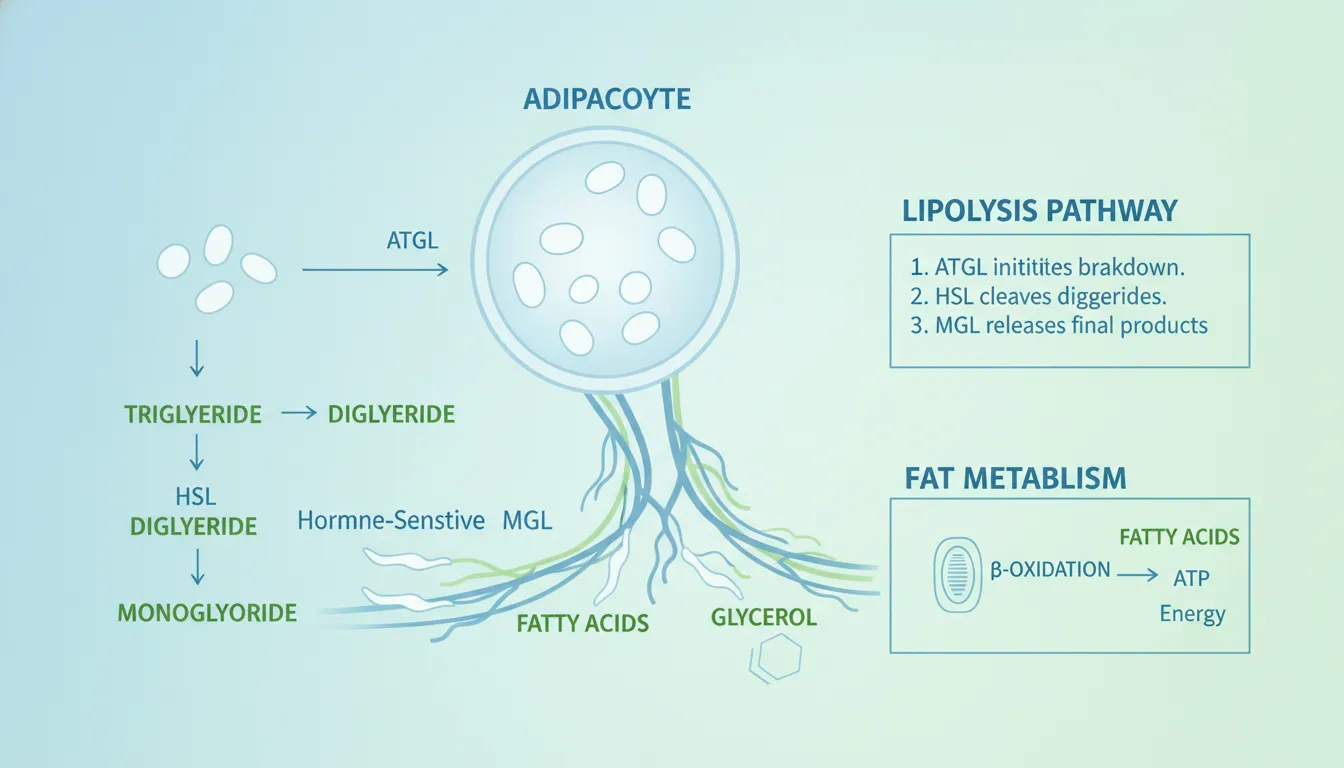
The primary research interest in AOD-9604 centers on its selective lipolytic activity. Unlike full-length growth hormone, this fragment specifically targets adipose tissue metabolism without affecting carbohydrate metabolism or insulin sensitivity. Contact our research supply team to discuss bulk AOD-9604 quantities for your lipolysis pathway studies.
Beta-3 adrenergic receptor expression
Research published in PubMed (PMID: 11146367) demonstrates that AOD-9604 stimulates lipolysis through increased expression of beta-3 adrenergic receptors in adipose tissue. This receptor upregulation enhances the sensitivity of fat cells to catecholamine-mediated lipolytic signals, promoting the breakdown of stored triglycerides into free fatty acids and glycerol. The effect appears to be specific to adipose tissue, with no significant impact on muscle tissue or pancreatic beta-cell function observed in preclinical models.
Insulin-neutral metabolic profile
A distinguishing feature of AOD-9604 in metabolic research is its insulin-neutral profile. Full-length growth hormone administration typically reduces insulin sensitivity, complicating the interpretation of metabolic studies. The AOD-9604 fragment, however, does not interfere with insulin signaling pathways. According to DrugBank (DB06388), the peptide maintains normal glucose uptake in peripheral tissues while promoting lipolysis. Allowing researchers to study fat metabolism in isolation from the confounding effects of insulin resistance often associated with growth hormone treatment.
Adipogenesis inhibition
Beyond stimulating fat breakdown, AOD-9604 has demonstrated inhibitory effects on adipogenesis, the process of forming new fat cells. Preclinical studies suggest that the peptide reduces the differentiation of preadipocytes into mature adipocytes, potentially limiting the expansion of adipose tissue mass. This dual action on both lipolysis (fat breakdown) and adipogenesis (fat cell formation) positions AOD-9604 as a versatile research tool for investigating the molecular mechanisms underlying adipose tissue regulation and energy balance.
Preclinical Research Findings
The preclinical evidence base for AOD-9604 includes several notable studies in animal models that have shaped current understanding of its metabolic activity. These findings provide the foundational data that inform ongoing research into selective lipolytic compounds.
Zucker rat studies
A landmark study published in the Journal of Endocrinology and Metabolism (PMID: 11146367) examined the effects of AOD-9604 in Zucker fatty rats, a well-established model of genetic obesity. Daily administration of AOD-9604 at 500 mcg/kg resulted in a 50% reduction in weight gain over the treatment period compared to control animals. Importantly, this weight reduction was achieved without lowering food intake, indicating that the peptide stimulated energy expenditure rather than suppressing appetite. The treated animals showed significantly reduced fat pad weights, confirming the adipose-specific nature of the metabolic effect.
Carbohydrate metabolism findings
Additional research (PMID: 11713213) investigated the impact of chronic AOD-9604 administration on carbohydrate metabolism. Unlike full-length growth hormone, which can induce insulin resistance over time, AOD-9604 did not impair glucose tolerance or insulin sensitivity in treated animals. Fasting blood glucose levels remained within normal ranges, and insulin response to glucose challenge was unaffected. These findings support the hypothesis that the C-terminal fragment of growth hormone can be used to study lipid metabolism independently of the diabetogenic effects associated with the N-terminal region of the hormone.
Safety Profile Observations
The safety profile of AOD-9604 has been evaluated in both preclinical and early-phase clinical contexts. Understanding these observations helps researchers design appropriate experimental protocols with informed risk assessment.
Phase I and II clinical observations
Clinical studies involving over 900 human subjects have reported a safety profile for AOD-9604 comparable to placebo. No treatment-related serious adverse events were documented in these trials. The compound did not elicit the formation of anti-AOD-9604 antibodies, a common concern with peptide therapeutics that could indicate immunogenic potential. Routine laboratory parameters, including liver function tests, renal function markers, and hematological indices, remained within normal ranges throughout the study periods.
It is important to note that a Phase IIb trial for AOD-9604 was terminated in 2007. While the published data suggest a favorable safety profile within the study parameters, the reasons for termination are not fully detailed in the public literature. Researchers should consider this context when designing studies involving the peptide.
Preclinical safety observations
In animal models, chronic administration of AOD-9604 did not produce the hypertrophic or hyperplastic effects on internal organs commonly associated with full-length growth hormone treatment. Cardiac tissue, liver, and kidney weights remained comparable to control animals, suggesting that the peptide does not stimulate systemic growth factor signaling. No histopathological abnormalities were identified in treated animals across multiple organ systems, supporting the tissue-specific targeting of the peptide's metabolic effects.
AOD-9604 Compared to Full-Length Human Growth Hormone
Researchers evaluating whether to use AOD-9604 or full-length hGH in their metabolic studies should consider the following comparative parameters. The table below summarizes the key distinctions between these two research compounds.
| Parameter | AOD-9604 (hGH Fragment 176-191) | Full-Length Human Growth Hormone (hGH) |
|---|---|---|
| Molecular weight | 1815.0 g/mol (16 amino acids) | 22,124 g/mol (191 amino acids) |
| Primary metabolic target | Adipose tissue lipolysis | Broad anabolic and metabolic effects |
| Insulin sensitivity impact | No effect observed in preclinical models | Reduces insulin sensitivity |
| IGF-1 elevation | None reported | Significant elevation |
| Muscle and bone growth effects | Absent (lacks the active domain) | Present via N-terminal domain |
| Clinical development stage | Phase IIb terminated 2007 | FDA-approved for specific indications |
The selective targeting of AOD-9604 makes it particularly suitable for researchers interested in isolating lipid metabolism pathways without the broader anabolic and insulin-desensitizing effects of full-length growth hormone. Request batch-specific COA documentation for AOD-9604 through our laboratory supply portal.
Sourcing High-Purity AOD-9604 for Research
Selecting a reliable supplier of research-grade AOD-9604 is essential for experimental reproducibility and data integrity. The quality of the peptide directly influences the validity of research findings, making supplier verification a critical step in experimental planning.
Research-grade supply verification
When sourcing AOD-9604 for laboratory studies, researchers should verify that the supplier provides comprehensive analytical documentation for each batch. This includes HPLC chromatograms showing purity levels, mass spectrometry confirmation of molecular weight, and a Certificate of Analysis detailing batch-specific quality metrics. Trusted Peptides supplies research-grade AOD-9604 with full analytical documentation, available for review before purchase. Researchers can browse AOD-9604 product specifications and COA access through the laboratory supply portal.
Quality control considerations
Established quality control protocols should include verification of peptide content, purity, and identity upon receipt. Researchers are advised to follow the third-party tested peptides research checklist to establish reproducible quality assurance workflows in their laboratories. Additional considerations include proper storage conditions, reconstitution buffer compatibility, and aliquot sizing to minimize freeze-thaw cycles that could degrade the peptide over time.
Regulatory compliance for research use
AOD-9604 is intended for research, laboratory, and analytical purposes only. It is not for human consumption and is not intended to diagnose, treat, cure, or prevent any disease. Researchers must ensure compliance with all applicable institutional, local, and national regulations governing the use of research peptides in their laboratories. Proper documentation of peptide sourcing and handling supports the integrity of the research record and facilitates reproducibility across studies.
Frequently Asked Questions About AOD-9604
What is the molecular mechanism of AOD-9604 in lipolysis?
AOD-9604 stimulates lipolysis primarily through upregulation of beta-3 adrenergic receptors on adipose tissue cells. This receptor increase enhances sensitivity to catecholamine signaling, promoting the enzymatic breakdown of stored triglycerides into free fatty acids and glycerol. The mechanism is selective for adipose tissue and does not involve IGF-1 elevation or systemic growth factor signaling. According to research published in PubMed, this pathway allows for targeted study of fat metabolism in isolation from broader growth hormone effects.
How does AOD-9604 differ from full-length human growth hormone in research?
AOD-9604 represents the C-terminal fragment (residues 176-191) of human growth hormone and excludes the N-terminal domain responsible for growth-promoting and insulin-desensitizing effects. Unlike full-length hGH, AOD-9604 does not elevate IGF-1 levels, does not impair insulin sensitivity, and does not stimulate muscle or bone growth. This makes it a more selective research tool for studying adipose tissue metabolism without the confounding systemic effects of the complete hormone. The peptide is made and sold only for lab research applications.
What safety findings were documented in AOD-9604 clinical studies?
Clinical studies involving over 900 subjects demonstrated a safety profile for AOD-9604 comparable to placebo. No treatment-related serious adverse events were observed, and no anti-AOD-9604 antibodies developed during the study periods. According to research in PubMed, chronic administration showed no adverse effects on insulin sensitivity or immune markers. A Phase IIb trial was terminated in 2007, though the reasons are not fully detailed in public literature. All AOD-9604 is supplied exclusively for research laboratory use.
What quality documentation should accompany research-grade AOD-9604?
Research-grade AOD-9604 should be accompanied by a Certificate of Analysis (COA) that includes HPLC purity percentage, mass spectrometry molecular weight confirmation, batch number, retention time, and analysis date. Researchers should consult the product page for COA documentation and purity specifications to verify batch quality before initiating experimental protocols.
How should AOD-9604 be stored and reconstituted for laboratory use?
AOD-9604 is typically supplied as a lyophilized powder that should be stored at -20 degrees Celsius for long-term stability. Reconstitution is performed using sterile water or an appropriate buffer solution immediately before experimental use. Researchers should follow standard peptide reconstitution protocols to ensure accurate concentration preparation and avoid peptide degradation from repeated freeze-thaw cycles.
Begin Your Next Metabolic Research Study with AOD-9604
Contact our research supply team to request batch-specific COA documentation and discuss bulk AOD-9604 quantities for your laboratory. Trusted Peptides supplies high-purity AOD-9604 as a lyophilized powder, tested by third-party HPLC analysis to ensure batch consistency and transparency. Each shipment includes a Certificate of Analysis detailing purity and molecular identity, giving researchers the documentation they need for reproducible laboratory results.
Browse our AOD-9604 for laboratory research to review specifications, COA access, and ordering details. For questions about research applications or bulk supply for your institution, contact our research supply team.
